

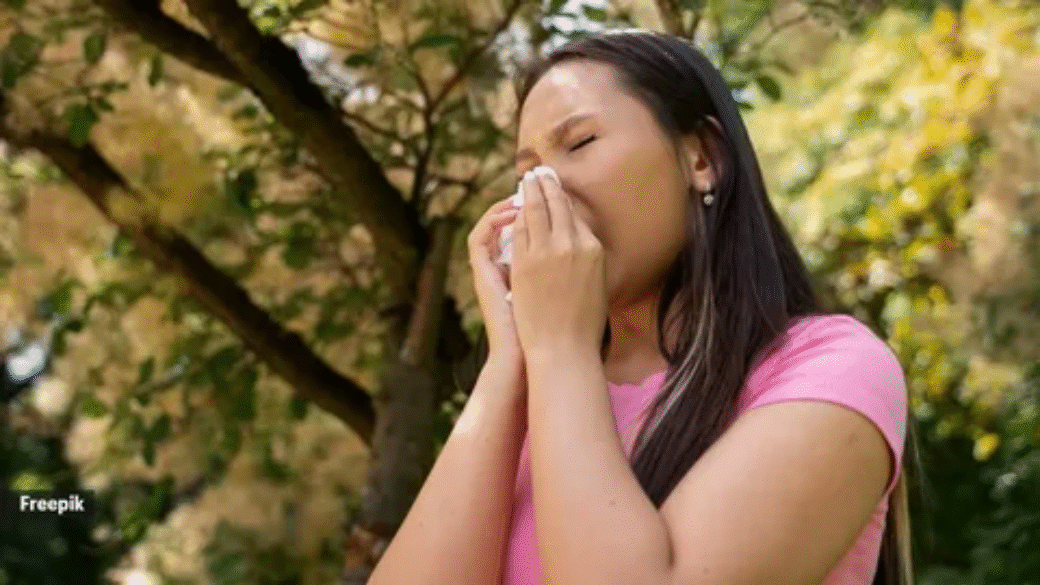
Spring is often seen as a season of renewal. Flowers bloom, trees regain their leaves, and the air seems fresher. However, for millions of people around the world, spring also marks the beginning of sneezing fits, itchy eyes, and stuffy noses. Allergies are a common problem during this season, and many wonder why symptoms seem worse in spring compared to other times of the year. In this article, we’ll explore the reasons behind spring allergies, how they affect the body, and what steps can be taken to reduce discomfort.
Understanding Allergies
Allergies occur when the immune system reacts to substances that are usually harmless. These substances, called allergens, can include pollen, dust, mold spores, pet dander, and certain foods. When someone with allergies comes into contact with an allergen, the immune system mistakenly sees it as a threat and releases chemicals like histamines, which cause inflammation, swelling, and irritation.
Symptoms of allergies can include:
- Sneezing and runny nose
- Nasal congestion
- Itchy or watery eyes
- Coughing
- Skin rashes in some cases
While allergies can occur any time of the year, spring is particularly challenging for allergy sufferers. The main culprit? Pollen.
The Role of Pollen in Spring Allergies
Pollen is a fine powder produced by trees, grasses, and flowers to fertilize other plants. It is lightweight and easily carried by the wind, which makes it an effective agent for plant reproduction. However, it also makes pollen one of the most common triggers of seasonal allergies.
In spring, many plants start to bloom. Trees like oak, birch, cedar, and maple release pollen into the air. Grasses and weeds also begin to produce pollen in large quantities. When these tiny particles enter the respiratory system of someone sensitive to them, the immune system reacts, leading to allergy symptoms.
Spring pollen is often more abundant than in other seasons, which explains why symptoms can be more intense. People who are allergic to pollen often notice that their sneezing, congestion, and itchy eyes flare up during this time.
Weather and Allergies
Spring weather can also contribute to worsening allergies. Several factors come into play:
- Windy Days: Wind spreads pollen over large distances, increasing exposure. Even if you are indoors, open windows can let pollen inside.
- Rainfall: Surprisingly, rain can make allergies worse in the long term. While rain temporarily clears pollen from the air, it can also cause mold growth outdoors and indoors, which is another allergen.
- Temperature Changes: Fluctuations in temperature can trigger the release of pollen from trees and plants. A sudden warm day after a cold period often leads to a “pollen explosion” in the air.
Indoor Allergens in Spring
Allergies aren’t caused by outdoor pollen alone. Spring also encourages the growth of indoor allergens such as mold, dust mites, and pet dander. Increased humidity, open windows, and spring cleaning activities can stir up these allergens, worsening symptoms for sensitive individuals.
- Mold: Moist environments created by spring rains can lead to mold growth on walls, windows, and damp basements. Mold spores are tiny and can easily be inhaled.
- Dust Mites: Although dust mites are present year-round, spring cleaning can disturb settled dust, releasing allergens into the air.
- Pet Dander: Pets often shed more in spring due to seasonal changes. Pet hair and dander can exacerbate symptoms for those with allergies.
Why Some People Are More Affected Than Others
Not everyone experiences spring allergies, and the severity of symptoms varies from person to person. Genetics play a significant role—if one or both parents have allergies, children are more likely to develop them. Additionally, people with asthma or eczema are more susceptible to allergic reactions. Environmental factors, such as living in urban areas with high pollution, can also make symptoms worse, as pollutants can interact with pollen and increase its allergenic potential.
Managing Spring Allergies
Although spring allergies are common, they can be managed effectively. Here are some practical steps to reduce symptoms:
1. Limit Exposure to Pollen
- Keep windows closed during high pollen days.
- Use air conditioning instead of opening windows.
- Avoid outdoor activities early in the morning when pollen counts are highest.
2. Personal Care
- Shower and change clothes after being outdoors to remove pollen.
- Wear sunglasses to protect your eyes from pollen.
- Use a mask when gardening or mowing the lawn.
3. Home Care
- Clean and vacuum your home regularly using a HEPA filter.
- Use a dehumidifier to reduce indoor mold growth.
- Wash bed linens and curtains frequently to remove dust and pollen.
4. Medications
- Over-the-counter antihistamines can help reduce sneezing, itching, and runny noses.
- Nasal sprays and decongestants can relieve nasal congestion.
- Allergy shots or immunotherapy are long-term options for severe cases.
5. Monitor Pollen Counts
Many weather apps and websites provide daily pollen forecasts. Planning outdoor activities when pollen counts are low can help reduce exposure and symptoms.
Natural Remedies That Can Help
Some people prefer natural remedies to manage allergies:
- Saline Nasal Rinses: Help clear pollen and allergens from the nasal passages.
- Local Honey: Consuming small amounts of local honey may help build tolerance to local pollen over time.
- Quercetin-Rich Foods: Found in apples, onions, and green tea, quercetin is a natural antihistamine that may reduce allergy symptoms.
While these remedies may not replace medication for severe allergies, they can help reduce mild symptoms.
When to See a Doctor
Most spring allergies can be managed with lifestyle changes and over-the-counter treatments. However, you should see a doctor if:
- Symptoms persist despite medication.
- You experience severe difficulty breathing or wheezing.
- Allergy symptoms interfere with daily life or sleep.
A doctor can recommend prescription medications, allergy testing, or immunotherapy to provide long-term relief.
FAQs About Spring Allergies
1. Why are allergies worse in spring than in winter?
Allergies worsen in spring mainly due to the release of pollen from trees, grasses, and flowers. Winter has lower pollen levels, which is why symptoms are usually milder.
2. Can spring allergies cause fatigue?
Yes. Constant sneezing, nasal congestion, and disrupted sleep due to allergy symptoms can lead to fatigue and reduced energy levels.
3. Is it possible to prevent spring allergies entirely?
Complete prevention is difficult, but limiting exposure to pollen, keeping windows closed, and using medications can significantly reduce symptoms.
4. Do pets worsen spring allergies?
Yes, especially if you are allergic to pet dander. Pets often shed more in spring, which can increase allergen levels indoors.
5. Can diet affect spring allergy symptoms?
While diet doesn’t cure allergies, certain foods like local honey, foods rich in quercetin, and omega-3 fatty acids may help reduce inflammation and mild symptoms.
Conclusion
Spring is a beautiful season, but for allergy sufferers, it can bring challenges. Pollen, weather changes, and indoor allergens all contribute to the worsening of symptoms during this time. Understanding the causes of spring allergies is the first step toward managing them. With proper precautions, lifestyle adjustments, and medication when needed, it’s possible to enjoy the season without constant sneezing, itchy eyes, or congestion.
By being proactive and aware of allergens, you can still embrace the joys of spring while keeping allergy discomfort to a minimum.