

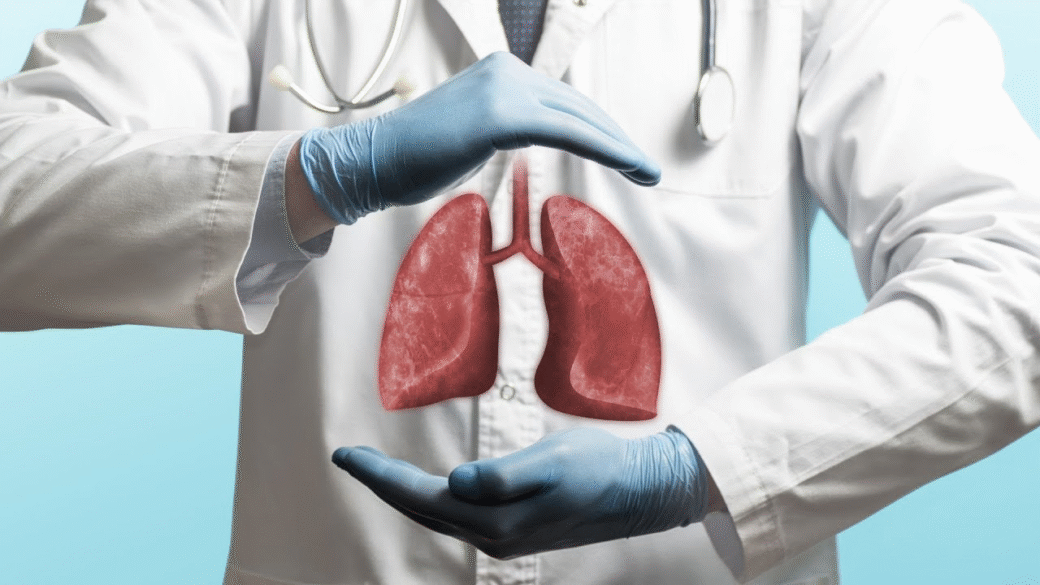
Our lungs are vital organs that play a crucial role in keeping us alive. They bring oxygen into our bodies and help remove carbon dioxide, which is a waste product of breathing. Most people don’t think about their lungs until something goes wrong. Sometimes, mild symptoms like a persistent cough or shortness of breath might be ignored, but these could indicate a more serious lung problem. This is when seeing a lung specialist, also called a pulmonologist, becomes important.
Knowing when to see a lung specialist can help catch issues early, prevent complications, and improve your quality of life. In this article, we’ll explain the signs and symptoms that should prompt a visit to a lung specialist, what to expect during the consultation, and how they can help with lung health.
What is a Lung Specialist?
A lung specialist, or pulmonologist, is a doctor who focuses on diseases and conditions that affect the lungs and respiratory system. Unlike a general practitioner who handles overall health, a pulmonologist has advanced training to diagnose and treat complex lung problems. They deal with conditions such as:
- Asthma
- Chronic Obstructive Pulmonary Disease (COPD)
- Pneumonia and other lung infections
- Pulmonary fibrosis (scarring of lung tissue)
- Lung cancer
- Sleep apnea and other breathing disorders
If you have ongoing lung issues, a pulmonologist can provide tests, diagnosis, and treatment options that a regular doctor may not be able to provide.
Common Symptoms That Warrant a Visit to a Lung Specialist
Many people hesitate to see a lung specialist, thinking their symptoms might be minor or temporary. However, early evaluation is always safer than waiting until the problem worsens. You should consider seeing a lung specialist if you notice any of the following:
1. Persistent Cough
A cough that lasts more than a few weeks may indicate something serious. While colds and minor infections can cause temporary coughing, a cough that persists could be due to chronic bronchitis, asthma, or even lung cancer. Especially concerning is a cough that produces blood, changes in color, or has a worsening pattern.
2. Shortness of Breath
Feeling short of breath during normal activities, like walking short distances or climbing stairs, is not something to ignore. Shortness of breath can be linked to conditions such as asthma, COPD, or heart problems. A pulmonologist can run tests to determine the exact cause.
3. Chest Pain or Discomfort
Chest pain, tightness, or pressure may sometimes be related to lung problems. While chest pain can also be a heart issue, it’s important not to dismiss it. Lung-related pain may occur with deep breathing, coughing, or exposure to environmental irritants.
4. Wheezing
Wheezing is a high-pitched sound you make when breathing, often due to narrowed airways. Conditions like asthma or COPD can cause wheezing. If wheezing is frequent or severe, a lung specialist can identify the trigger and provide effective treatment.
5. Chronic Fatigue
Feeling unusually tired all the time may be related to poor oxygen levels in the blood due to lung problems. Fatigue combined with shortness of breath or coughing is a warning sign that needs medical attention.
6. Recurrent Lung Infections
If you get pneumonia, bronchitis, or other lung infections multiple times a year, it may signal an underlying lung condition. A pulmonologist can determine why your lungs are more prone to infections and how to prevent them.
Risk Factors That Increase the Need for a Lung Specialist
Certain people may need to see a lung specialist even if symptoms are mild. Risk factors include:
- Smoking or vaping: These increase the risk of lung diseases, including COPD and lung cancer.
- Exposure to pollutants: Regular exposure to dust, chemicals, or asbestos can harm your lungs.
- Family history of lung disease: Genetics can play a role in asthma, pulmonary fibrosis, and other conditions.
- Occupational hazards: Jobs in construction, mining, or factories may expose you to harmful substances.
If you have any of these risk factors, regular check-ups with a pulmonologist can help catch problems early.
What to Expect During a Visit to a Lung Specialist
Visiting a lung specialist may seem intimidating, but understanding the process can ease your anxiety. Here’s what usually happens:
- Medical History Review: The doctor will ask about your symptoms, lifestyle, smoking history, and family history of lung disease.
- Physical Examination: They will listen to your lungs, check oxygen levels, and look for signs of respiratory distress.
- Diagnostic Tests: Tests may include chest X-rays, CT scans, pulmonary function tests (to measure lung capacity), or lab tests.
- Treatment Plan: Based on the diagnosis, the pulmonologist will suggest medications, breathing therapies, lifestyle changes, or in some cases, procedures or surgery.
A lung specialist aims to treat the underlying cause, manage symptoms, and improve overall lung function.
Benefits of Seeing a Lung Specialist Early
Visiting a lung specialist early has many advantages:
- Early Diagnosis: Many lung diseases worsen if untreated. Early detection allows for better management.
- Personalized Treatment: Pulmonologists tailor treatment plans based on your specific condition and needs.
- Prevent Complications: Chronic lung conditions can lead to heart problems, infections, or respiratory failure. Early care reduces these risks.
- Better Quality of Life: Proper treatment can improve breathing, energy levels, and day-to-day activities.
Tips for Maintaining Lung Health
Even if you don’t currently need a lung specialist, taking care of your lungs is important:
- Avoid smoking and secondhand smoke.
- Exercise regularly to strengthen your lungs and heart.
- Eat a balanced diet rich in antioxidants.
- Protect yourself from pollutants and allergens.
- Get regular vaccinations, like flu and pneumonia vaccines.
These steps can reduce your risk of developing lung problems and make your lungs more resilient if you ever need medical care.
When to Seek Immediate Medical Attention
Some symptoms require urgent attention and you should not wait for a routine appointment:
- Severe shortness of breath
- Sudden chest pain
- Coughing up blood
- Bluish lips or face (sign of low oxygen)
- High fever with chest pain
These may indicate life-threatening conditions, and emergency care is necessary.
FAQs About Seeing a Lung Specialist
1. How long does a lung specialist appointment take?
Appointments usually take 30–60 minutes, depending on your symptoms and required tests. Some follow-up tests may take longer.
2. Do I need a referral to see a pulmonologist?
In many healthcare systems, a referral from your primary doctor is recommended, but some specialists accept self-referrals.
3. Are lung tests painful?
Most lung tests, like X-rays and pulmonary function tests, are painless. Procedures like bronchoscopy may involve mild discomfort or sedation.
4. Can children see a lung specialist?
Yes, pediatric pulmonologists specialize in lung conditions in children, including asthma and cystic fibrosis.
5. How often should I see a lung specialist?
Frequency depends on your condition. Chronic lung disease patients may need regular check-ups every few months, while others may only visit once for evaluation.
Conclusion
Your lungs are crucial to your overall health, and even mild symptoms should not be ignored. Persistent coughs, shortness of breath, chest discomfort, wheezing, or repeated lung infections are all signs that you may need a lung specialist. Early consultation can prevent complications, provide proper treatment, and improve your quality of life. Remember, listening to your body and seeking help promptly is the first step toward healthy lungs.