

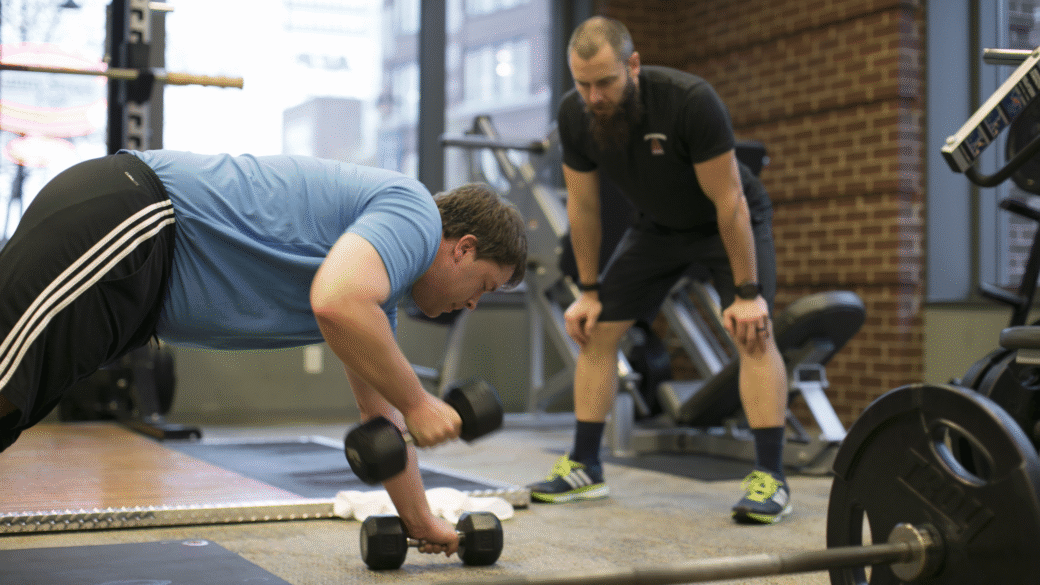
In today’s fast-paced world, many of us focus on staying active, eating right, and maintaining our overall health. While running, swimming, or cycling are popular ways to stay fit, one form of exercise is often underestimated: strength training. Strength training isn’t just for bodybuilders or athletes. It’s a vital component of fitness that offers a wide range of physical, mental, and long-term health benefits.
In this article, we’ll explore why strength training is important, how it benefits your body and mind, and how you can incorporate it into your daily routine.
What is Strength Training?
Strength training, also known as resistance training, involves exercises that make your muscles work harder than usual. This can include lifting weights, using resistance bands, or even performing bodyweight exercises like push-ups, squats, and lunges. The main goal of strength training is to improve muscle strength, endurance, and tone, which has far-reaching effects on your overall health.
Unlike cardio exercises, which primarily improve heart and lung health, strength training directly targets your muscles and skeletal system. It can also help improve posture, balance, and flexibility when done correctly.
Physical Benefits of Strength Training
1. Builds Muscle Mass and Strength
The most obvious benefit of strength training is that it increases muscle mass and strength. Stronger muscles make daily tasks—like lifting groceries, climbing stairs, or carrying children—much easier. Over time, this reduces the risk of injuries and makes your body more resilient.
2. Supports Bone Health
As we age, bone density naturally decreases, which can lead to osteoporosis and fractures. Strength training puts stress on your bones, stimulating bone growth and increasing bone density. This is especially important for women, who are more prone to osteoporosis after menopause.
3. Boosts Metabolism and Burns Fat
Muscle tissue burns more calories than fat tissue, even when you’re resting. By building muscle through strength training, you increase your resting metabolic rate, making it easier to maintain a healthy weight or lose fat. This means that a few sessions of strength training a week can complement your cardio workouts and diet for better weight management.
4. Improves Joint Health
Strengthening the muscles around your joints provides better support and reduces the risk of joint injuries. Strong muscles can absorb shock more effectively, relieving stress on joints like the knees and hips. This is particularly beneficial for people with arthritis or other joint conditions.
5. Enhances Posture and Balance
Many people spend long hours sitting at desks or using smartphones, which can lead to poor posture. Strength training helps strengthen the core, back, and shoulder muscles, which support proper alignment and reduce the risk of back pain. It also improves balance, reducing the likelihood of falls, especially as we age.
Mental Benefits of Strength Training
Strength training doesn’t just benefit the body—it also has a profound impact on mental health.
1. Reduces Stress and Anxiety
Exercise, in general, helps release endorphins—natural chemicals that improve mood. Strength training, in particular, can reduce stress and anxiety by providing a sense of accomplishment and control over your physical capabilities.
2. Boosts Self-Esteem
Seeing your strength and muscles grow over time is incredibly empowering. Strength training builds confidence, not just physically but mentally, as you realize what your body is capable of.
3. Enhances Cognitive Function
Recent studies suggest that resistance training may improve memory, focus, and overall brain health. It increases blood flow to the brain, which may reduce the risk of cognitive decline as we age.
Strength Training for Long-Term Health
Regular strength training can have long-lasting effects on your health, far beyond physical appearance. Here are some long-term benefits:
- Prevents chronic diseases: Strength training can improve blood sugar control, reduce high blood pressure, and lower the risk of type 2 diabetes.
- Supports heart health: While primarily cardio is associated with heart health, studies show that resistance training also improves cardiovascular function and circulation.
- Promotes longevity: Muscle mass tends to decline with age, a condition known as sarcopenia. Strength training slows this process, helping you stay active and independent longer.
How to Get Started with Strength Training
You don’t need a gym membership or fancy equipment to start strength training. Here’s how beginners can get started safely:
- Bodyweight exercises: Push-ups, squats, lunges, and planks are effective for building strength without weights.
- Resistance bands: These are inexpensive and versatile for targeting various muscle groups.
- Free weights or dumbbells: Once comfortable, you can add weights to increase resistance and build muscle faster.
- Machines at the gym: Gym machines can guide your movements and reduce the risk of injury for beginners.
- Consistency over intensity: Start with 2–3 sessions per week, focusing on proper form. Gradually increase the weight or repetitions as you get stronger.
Common Myths About Strength Training
- “It makes women bulky.”
Women generally don’t produce enough testosterone to build huge muscles like men. Strength training helps tone muscles and improve body composition. - “It’s only for young people.”
People of all ages benefit from resistance training. Older adults can see significant improvements in strength, balance, and bone health. - “Cardio is enough.”
While cardio is great for heart health, it does not replace the benefits of strength training for muscles, bones, and metabolism.
5 Frequently Asked Questions (FAQs)
1. How often should I do strength training?
Experts recommend at least 2–3 times per week for beginners, targeting all major muscle groups.
2. Can strength training help with weight loss?
Yes! It increases muscle mass, which burns more calories at rest, complementing your diet and cardio for fat loss.
3. Do I need equipment for strength training?
No, bodyweight exercises like push-ups, squats, and lunges are effective. Equipment like dumbbells and resistance bands can enhance results.
4. Is strength training safe for older adults?
Absolutely. Strength training improves muscle strength, balance, and bone density, reducing the risk of falls and injuries.
5. How long does it take to see results?
Beginners may notice improvements in strength and energy within 4–6 weeks, while visible muscle changes may take 8–12 weeks with consistent training.
Conclusion
Strength training is more than just lifting weights; it’s a powerful tool for enhancing physical health, mental well-being, and long-term quality of life. Whether you want to build muscle, improve posture, prevent chronic diseases, or boost your confidence, resistance training offers benefits that go far beyond appearances.
Incorporating strength training into your routine doesn’t require expensive equipment or hours at the gym. Starting small, staying consistent, and gradually increasing resistance is the key. By prioritizing strength training alongside other forms of exercise, you’re investing in a healthier, stronger, and more confident version of yourself.