

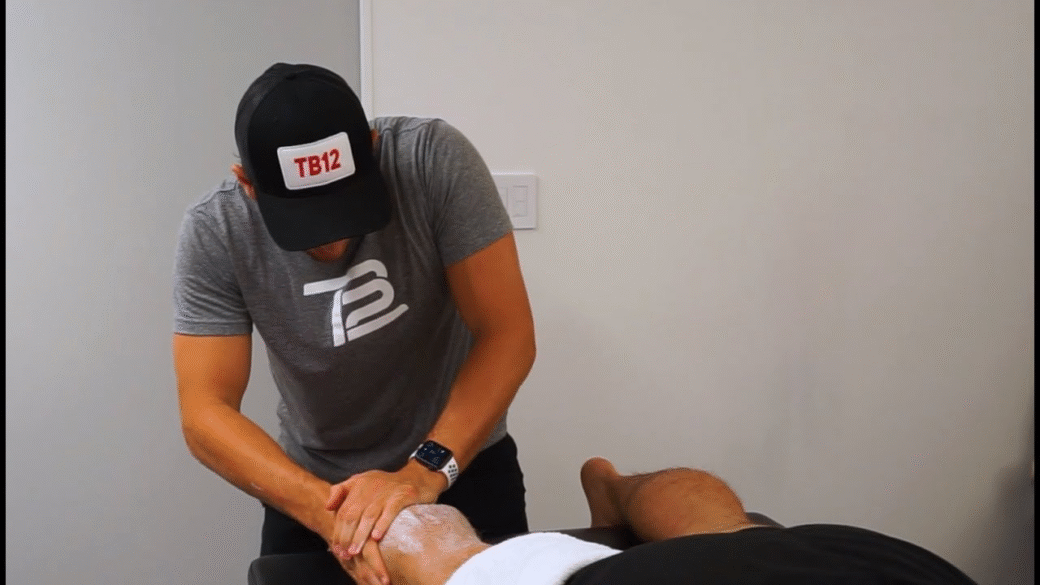
Muscle tension is something nearly everyone experiences at some point. Whether it’s from sitting at a desk for hours, working out too hard, or stress building up over time, tight muscles can make you feel uncomfortable, stiff, and sometimes even in pain. Fortunately, massage is one of the most effective ways to relieve muscle tension, improve circulation, and boost overall relaxation. In this article, we’ll explore how massage works, techniques you can try at home, and tips for making the most of your sessions.
Understanding Muscle Tension
Before diving into massage techniques, it’s important to understand why muscles become tense. Muscle tension happens when muscles remain contracted for long periods, often as a response to stress, poor posture, or repetitive movements. This can lead to soreness, restricted movement, and even headaches. In severe cases, chronic tension can impact your sleep and mental well-being.
Massage works by loosening these tight muscles, improving blood flow, and helping your body release natural pain-relieving chemicals, such as endorphins. It’s not just about relaxation—massage actively supports the healing and recovery of your muscles.
Benefits of Massage for Muscle Tension
Massage provides more than just a temporary feeling of relief. Here are some of the key benefits:
- Reduces Stress and Anxiety: Massage helps lower cortisol (stress hormone) levels and increases serotonin, promoting relaxation.
- Relieves Muscle Pain: Targeted pressure can reduce muscle knots and alleviate soreness.
- Improves Circulation: Enhanced blood flow brings more oxygen and nutrients to muscles, supporting recovery.
- Increases Flexibility: Regular massage helps maintain range of motion and reduces stiffness.
- Enhances Sleep Quality: Relaxed muscles make it easier to fall asleep and stay asleep.
Types of Massage for Muscle Tension
Different types of massage can target muscle tension in unique ways. Here are some of the most effective:
- Swedish Massage: A gentle massage using long, gliding strokes. Ideal for overall relaxation and mild muscle tension.
- Deep Tissue Massage: Focuses on deeper layers of muscles and connective tissues. Best for chronic tension or knots.
- Trigger Point Therapy: Concentrates on specific points of muscle tightness, often where knots form.
- Sports Massage: Combines stretching and deep pressure to help athletes relieve tight muscles and prevent injuries.
- Self-Massage Techniques: Using foam rollers, massage balls, or your own hands to target tense areas at home.
Step-by-Step Guide to Relieve Muscle Tension with Massage
You don’t always need a professional massage therapist to ease muscle tension. Here’s a practical guide for self-massage and techniques you can try at home.
1. Prepare Your Body
Before you start, create a comfortable environment:
- Find a quiet space with minimal distractions.
- Use a soft surface, like a yoga mat or bed.
- Consider using massage oils or lotions to reduce friction.
- Apply heat to tight muscles for 5–10 minutes to relax them.
2. Start with Gentle Strokes
Begin with light, soothing strokes to warm up the muscles. Use your palms or fingers to gently move over the area in long, smooth motions. This increases blood flow and prepares your muscles for deeper pressure.
3. Apply Pressure Gradually
Once the muscles are warmed up, focus on the tight spots or knots. Press firmly but not painfully. You can use your thumbs, knuckles, or a massage ball. Hold pressure on the knot for 15–30 seconds, then release. Repeat a few times.
4. Incorporate Stretching
After massaging the tense areas, gently stretch the muscles. For example, if your shoulders are tight, do shoulder rolls or arm stretches. Stretching after massage helps lengthen the muscles and maintain the relief you achieved.
5. Use Tools for Self-Massage
Foam rollers, massage balls, or handheld massagers can be very effective for reaching hard-to-reach areas like the back, glutes, and thighs. Roll slowly over tight spots, pausing on tender areas for a few seconds. Avoid rolling too quickly, which can cause soreness.
6. Focus on Regularity
The key to long-term relief is consistency. A short daily massage or a few times per week can prevent tension from building up again. Pair massage with good posture, regular exercise, and stress management for the best results.
Tips for a Better Massage Experience
- Breathe Deeply: Deep breathing relaxes muscles and enhances the effects of massage.
- Stay Hydrated: Water helps flush out toxins released during massage.
- Listen to Your Body: Avoid overly aggressive pressure that causes pain.
- Combine with Heat or Cold: Heat can relax muscles before massage, while cold can reduce inflammation after.
- Use Essential Oils: Lavender or peppermint oils can add a calming or invigorating effect.
When to Seek Professional Help
While self-massage is helpful, some conditions require professional care:
- Persistent or severe muscle pain
- Muscle tension accompanied by numbness or tingling
- Pain from an injury or medical condition
A licensed massage therapist or medical professional can create a tailored treatment plan, often combining massage with other therapies like physical therapy or acupuncture.
Lifestyle Habits to Prevent Muscle Tension
Massage is effective, but prevention is always better. Here are some habits that help keep muscles relaxed:
- Exercise Regularly: Strengthening and stretching muscles reduces tension.
- Maintain Good Posture: Avoid slouching at your desk or phone.
- Manage Stress: Mindfulness, meditation, and deep breathing can prevent tension from building up.
- Take Breaks: If sitting or standing for long periods, move every hour.
- Sleep Well: Proper rest allows muscles to recover overnight.
Frequently Asked Questions (FAQs)
1. How long should a massage last to relieve muscle tension?
Most massages last 30–60 minutes. Even a 10–15 minute self-massage can provide relief if done correctly and consistently.
2. Can massage help with chronic muscle tension?
Yes, regular massage can reduce chronic tension over time by loosening tight muscles and improving blood flow.
3. Is it normal to feel sore after a deep tissue massage?
Yes, mild soreness is common, especially if the muscles were very tight. It usually subsides within 24–48 hours.
4. Can I do self-massage if I have an injury?
It depends on the injury. Avoid massaging acute injuries, swelling, or bruised areas without professional guidance.
5. How often should I get a professional massage?
For ongoing tension, once a week or every two weeks is ideal. However, even monthly sessions can help maintain muscle health.
Conclusion
Muscle tension doesn’t have to control your daily life. Massage is a natural, effective, and accessible way to relieve tight muscles, reduce stress, and improve overall well-being. By understanding the types of massage, practicing self-massage techniques, and maintaining healthy habits, you can enjoy lasting relief and feel more relaxed in your body. Remember, consistency is key, and listening to your body ensures a safe and enjoyable experience.