

Spider veins present as small, dilated blood vessels visible on the skin surface. These vessels appear red, blue, or purple; they typically measure less than one millimeter in diameter. While many individuals dismiss them as minor cosmetic flaws, telangiectasias frequently signal that the venous valves deeper within the leg are not functioning correctly or efficiently. Blood pools in the veins when valves fail; the localized pressure builds within the vessel walls. The small capillaries expand outward under this stress, which creates the branching patterns that link the appearance of surface veins to the broader health of the circulatory system.
Identifying Venous Characteristics
Healthy leg veins contain delicate one-way valves. These valves open to allow upward blood flow, but they close quickly to prevent any backward leakage. When a valve malfunctions or weakens over time, gravity pulls blood downward into the leg, where it accumulates and causes the vein to stretch beyond its normal capacity. Physicians refer to this condition as venous reflux.
The resulting backflow creates venous hypertension; the pressure transfers directly to the surface vessels. Patients might notice new clusters of veins appear rapidly because the underlying high pressure forces blood into the tiny tributaries that sit just beneath the protective layer of the skin. Symptoms often accompany the visible signs. The legs may feel heavy or tired; some patients report a burning sensation around the veins. Although spider veins are smaller than varicose veins, they indicate that the venous pump in the calf muscle struggles to return blood to the heart against the force of gravity.
Examining Contributing Risk Factors
Genetics influences the likelihood of vein development. A family history increases susceptibility; specific genes affect the structural integrity of the vessel walls. Individuals who inherit naturally weaker vein walls often develop spider veins early in life, even if they maintain an active lifestyle that supports good overall circulation. Lifestyle choices also play a significant role.
Obesity places extra pressure on the legs; prolonged standing hinders the upward flow of blood. People who work in professions that require standing for hours develop these veins because the lack of muscle movement prevents the veins from emptying efficiently, which allows blood to pool. Hormones impact venous health directly as well. Estrogen relaxes the smooth muscle in vein walls; progesterone causes the vascular fibers to loosen significantly. This hormonal effect explains why women develop spider veins more frequently than men, particularly during pregnancy when blood volume increases; the growing uterus exerts pressure on the major veins in the pelvis.
Assessing Diagnostic Methods
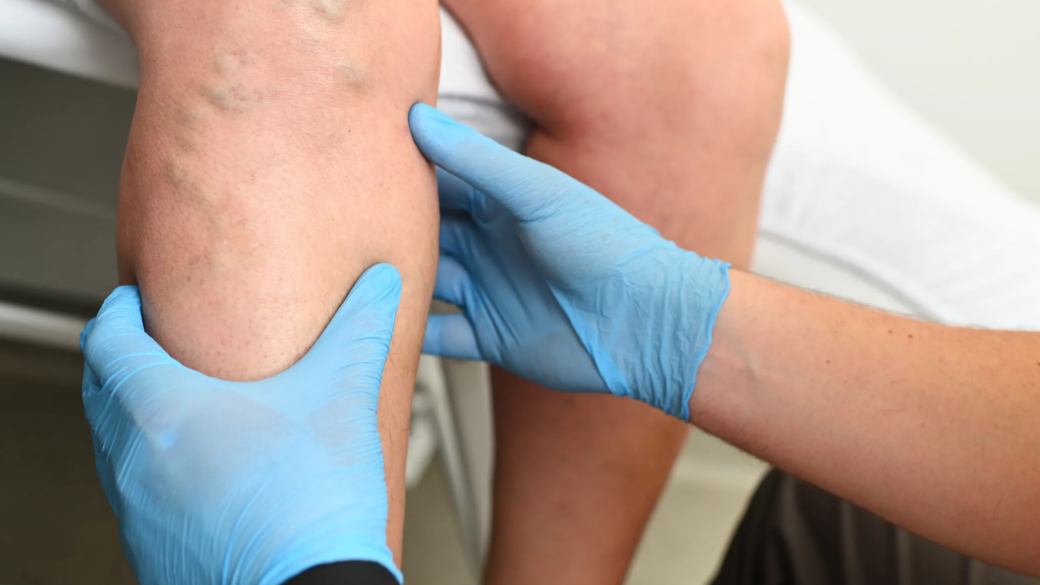
Physical examination provides the initial assessment step. A physician inspects the skin visually, and they palpate the leg to check for associated swelling or tenderness. Although this initial check reveals surface damage, a complete diagnosis requires diagnostic imaging because the root cause usually lies within the deeper saphenous veins that are not visible to the naked eye. Duplex ultrasound functions as the primary diagnostic tool. This technology uses sound waves to create images, and it measures the speed and direction of blood flow accurately.
By using ultrasound, a specialist determines if reflux exists in the deep system, which allows them to treat the source of the problem rather than just the visible symptoms that appear on the skin. Accurate diagnosis guides the treatment plan. Sclerotherapy treats the surface veins effectively, but the provider must address any underlying reflux first. If the physician ignores the deeper valvular incompetence, the spider veins will likely recur because the high pressure that caused them initially remains unresolved within the venous system.
Help for Spider Veins
Spider veins serve as a visible indicator of circulatory status. They often point to valvular incompetence, and they warrant a professional evaluation for underlying venous reflux. Treating the cause improves overall venous health because correcting the backward blood flow relieves the chronic pressure that damages the delicate vessels in the lower extremities. Get help for your spider veins by talking to a specialist.