

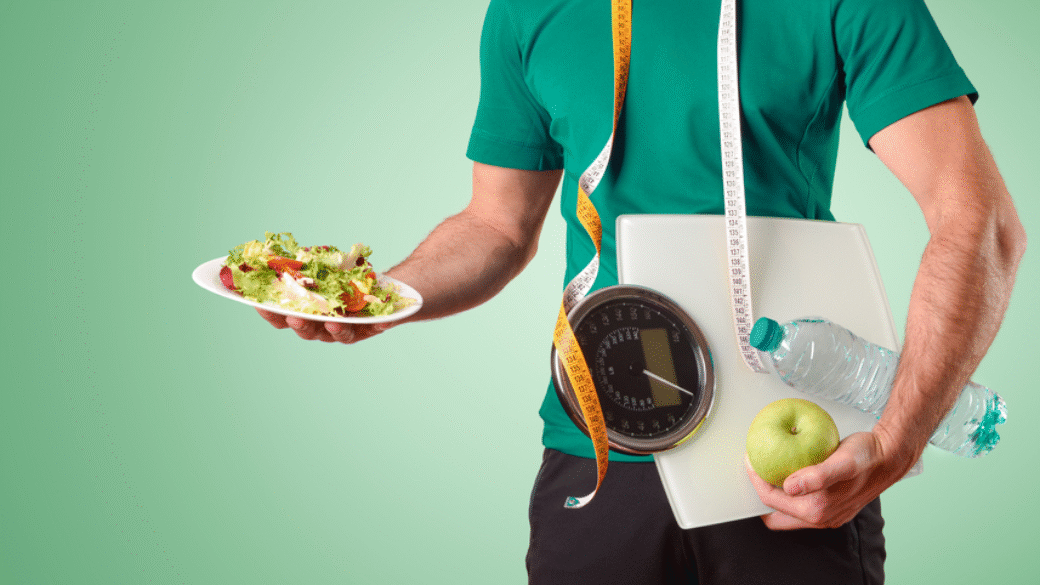
Starting a weight loss program can feel overwhelming, especially with so much conflicting information online. Knowing when to start is as important as choosing the right plan or diet. The timing, your body’s readiness, and understanding your goals can significantly impact your success. In this article, we’ll explore everything you need to know to start your weight loss journey at the right time, in a safe and sustainable way.
Understanding the Need for Weight Loss
Before deciding when to start, it’s essential to understand why you may need to lose weight. Weight loss isn’t just about looking better; it’s about health improvement. Being overweight can increase the risk of conditions like:
- Diabetes
- Heart disease
- High blood pressure
- Joint problems
- Sleep apnea
Realizing the health benefits can motivate you to start at the right time rather than just chasing short-term results.
Signs That You Should Start a Weight Loss Program
Here are some clear signs your body may need a structured weight loss plan:
- Rapid Weight Gain – If you notice an increase in weight over a short period, it’s a signal to take action before it becomes a bigger problem.
- Difficulty in Daily Activities – Struggling with stairs, walking long distances, or performing daily chores can indicate extra weight is affecting your life.
- Medical Advice – A doctor may suggest weight loss if you have high cholesterol, high blood pressure, or other weight-related health risks.
- Low Energy Levels – Feeling constantly tired or sluggish can be linked to carrying extra weight.
- Emotional Readiness – Motivation and mental preparation are crucial. If you feel ready to commit, that’s often the best time to start.
Choosing the Right Time to Start
Timing isn’t just about the calendar—it’s about your body, schedule, and mindset. Here’s how to decide:
1. Physical Readiness
Your body should be ready for physical activity. If you’ve been sedentary for months or years, start slowly. Begin with light exercises and gradually increase intensity. Check with your doctor if you have health concerns.
2. Mental Readiness
Weight loss requires consistency. If you’re mentally stressed, burnt out, or dealing with major life challenges, starting a program might not be effective. Wait until you can focus and maintain motivation.
3. Lifestyle Considerations
Your schedule, work, family responsibilities, and social life impact your ability to stick to a plan. Choose a time when you can dedicate energy to cooking healthy meals, exercising regularly, and tracking progress.
4. Seasonal Considerations
Some people find it easier to start in the spring or summer when fresh fruits and vegetables are available, and outdoor activities are more enjoyable. Others prefer the new year as a symbolic fresh start. The best season is when you feel most motivated and able to commit.
How to Prepare Before Starting
Preparation can make or break your program. Here’s how to set yourself up for success:
- Set Realistic Goals – Instead of aiming for drastic weight loss, set small, achievable goals. For example, 1–2 pounds per week is healthy and sustainable.
- Clean Your Pantry – Remove unhealthy snacks and stock up on nutritious foods.
- Plan Your Exercise – Choose exercises you enjoy. Walking, swimming, and cycling are excellent starting points.
- Track Your Progress – Use a journal, app, or photos to monitor your weight loss and stay motivated.
- Seek Support – Tell family and friends about your plan, or join a weight loss group for encouragement.
Mistakes to Avoid
Many people start their weight loss journey too quickly or without proper planning. Here are common mistakes:
- Skipping meals – This slows metabolism and can lead to binge eating.
- Over-reliance on supplements – Supplements alone do not work without diet and exercise.
- Unrealistic expectations – Expecting rapid results often leads to disappointment.
- Ignoring mental health – Stress and emotional eating can sabotage progress.
- Starting without guidance – A doctor or nutritionist can help create a safe and personalized plan.
Benefits of Starting at the Right Time
Starting your weight loss program at the right time can help you:
- Maintain consistency and motivation
- Reduce risk of injuries
- Achieve sustainable results
- Improve mental health and energy levels
- Build long-term healthy habits
FAQs About Starting a Weight Loss Program
1. How do I know if now is the right time to start?
If you feel physically and mentally ready, have support, and can dedicate time to your plan, it’s likely the right time. Small steps are better than waiting for the “perfect moment.”
2. Can I start a weight loss program without exercising?
Yes, diet plays a major role in weight loss. However, combining exercise with diet improves results and boosts overall health.
3. Is there an ideal age to start a weight loss program?
Weight loss can be started at any age, but the approach should differ. Younger individuals may focus on activity and balanced eating, while older adults may need low-impact exercises and nutrient-dense foods.
4. How long should I wait to see results?
Healthy weight loss is usually 1–2 pounds per week. Consistency is more important than speed. Visible results may appear in 4–6 weeks.
5. What’s the most important factor to consider before starting?
Mental readiness and lifestyle compatibility are crucial. You need motivation, a plan you can stick to, and a realistic approach.
Conclusion
Knowing when to start a weight loss program is as important as knowing how to do it. It’s not about a specific date on the calendar—it’s about readiness, planning, and motivation. By assessing your physical health, mental state, lifestyle, and setting realistic goals, you can begin your journey confidently and sustainably. Remember, small steps done consistently lead to lasting results.
Starting now, at the right time for you, is the first step toward a healthier, more energetic life.