

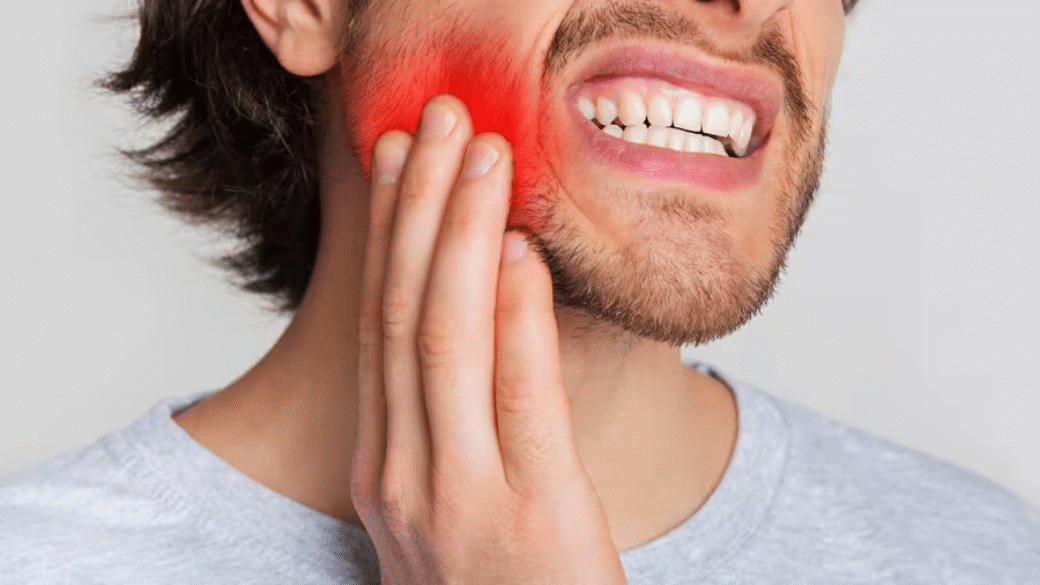
Tooth pain is one of the most common and uncomfortable problems people face. It can range from a dull, throbbing ache to sharp, sudden pain that makes eating, drinking, and even speaking difficult. Understanding what causes tooth pain is important because it helps you take the right steps to treat it and prevent further damage. In this article, we will explore the most common causes, how to identify them, and what you can do to ease the discomfort.
1. Tooth Decay (Cavities)
The most frequent cause of tooth pain is tooth decay, also known as cavities. Cavities occur when bacteria in your mouth produce acids that eat away at your tooth enamel. Over time, these acids create small holes in the teeth, which can reach the inner layer of the tooth, called the dentin.
When the decay reaches the dentin, it exposes tiny nerve endings, causing sensitivity and pain. Sometimes, the pain is triggered by eating sweet, hot, or cold foods. If left untreated, cavities can reach the pulp (the innermost part of the tooth containing nerves and blood vessels), leading to severe pain and possibly infection.
Tips to prevent cavities:
- Brush twice a day with fluoride toothpaste.
- Floss daily to remove food stuck between teeth.
- Limit sugary and acidic foods and drinks.
- Visit your dentist regularly for checkups and cleanings.
2. Tooth Infection (Abscess)
An abscess is a serious dental problem that occurs when bacteria infect the pulp of the tooth. The infection leads to the formation of a pocket of pus at the root, which can cause sharp, throbbing pain that may radiate to your jaw, neck, or ear.
Other signs of an abscess include:
- Swelling in the face or cheek
- Bad taste in the mouth
- Fever
- Tender lymph nodes under the jaw
Abscesses need immediate dental attention because the infection can spread to other parts of the body if untreated. Treatment usually involves draining the abscess and taking antibiotics. In some cases, a root canal or tooth extraction may be necessary.
3. Gum Disease (Gingivitis and Periodontitis)
Pain in your teeth can also be caused by gum problems. Early-stage gum disease, called gingivitis, occurs when plaque builds up along the gumline, causing redness, swelling, and bleeding. If untreated, gingivitis can progress to periodontitis, a more serious infection that damages the gums and bone supporting your teeth.
Symptoms of gum disease include:
- Tender or bleeding gums
- Receding gums
- Persistent bad breath
- Loose teeth
Regular brushing, flossing, and professional cleanings are crucial to prevent gum disease and protect your teeth from pain caused by inflamed gums.
4. Tooth Fractures or Cracks
A cracked or fractured tooth can cause sudden pain, especially when chewing or biting. Even small cracks may expose the inner layers of the tooth to bacteria, leading to decay and infection.
Causes of tooth fractures include:
- Trauma from a fall or accident
- Biting on hard foods like ice or nuts
- Teeth grinding (bruxism)
Treatment depends on the severity of the crack. Minor cracks may be repaired with dental bonding, while severe fractures might require a crown or tooth extraction.
5. Tooth Sensitivity
Tooth sensitivity is another common reason for tooth pain. It usually occurs when the enamel wears down or gums recede, exposing the dentin. People with sensitive teeth often feel sharp pain when consuming hot, cold, sweet, or acidic foods.
Causes of tooth sensitivity:
- Brushing too hard
- Using a hard-bristled toothbrush
- Acidic foods and drinks
- Teeth grinding
Desensitizing toothpaste, fluoride treatments, and gentle brushing techniques can help reduce sensitivity and pain.
6. Impacted or Wisdom Teeth
Wisdom teeth are the last set of molars to develop, usually in the late teens or early twenties. Sometimes, these teeth do not have enough room to grow properly, becoming impacted. Impacted teeth can cause pain, swelling, and infection.
Signs of impacted wisdom teeth include:
- Pain at the back of the mouth
- Swollen gums around the tooth
- Difficulty opening the mouth
- Bad taste or odor in the mouth
In many cases, dentists recommend removing impacted wisdom teeth to prevent ongoing pain and complications.
7. Sinus Infections
Interestingly, not all tooth pain comes from your teeth. A sinus infection can cause pressure and pain in the upper teeth because the roots of these teeth are close to the sinuses. This type of pain is often accompanied by:
- Nasal congestion
- Headache or facial pressure
- Fever
If your tooth pain is accompanied by these symptoms, it’s possible that a sinus infection, not a dental problem, is causing the discomfort.
8. Grinding or Clenching (Bruxism)
Grinding or clenching your teeth, often during sleep, can lead to tooth pain and jaw soreness. Over time, this habit wears down the enamel, exposes the dentin, and can even cause cracks.
Ways to reduce damage from bruxism:
- Wear a night guard while sleeping
- Manage stress with relaxation techniques
- Avoid chewing on hard objects
9. Dental Procedures and Trauma
Sometimes tooth pain occurs after dental treatments like fillings, crowns, or teeth whitening. This pain is usually temporary, caused by irritation to the nerves inside the tooth. Trauma to the tooth from a fall, sports injury, or accident can also lead to pain and should be evaluated by a dentist immediately.
10. Other Causes
Other less common causes of tooth pain include:
- Temporomandibular joint (TMJ) disorders – Pain in the jaw joint can radiate to teeth.
- Nerve damage – Conditions like trigeminal neuralgia can cause severe tooth-like pain.
- Diet and lifestyle – Excessive acidic food, smoking, or poor oral hygiene can increase sensitivity and discomfort.
How to Manage Tooth Pain at Home
While you should always see a dentist for persistent pain, some home remedies can help reduce discomfort:
- Rinse your mouth with warm saltwater.
- Take over-the-counter pain relievers like ibuprofen.
- Apply a cold compress to the outside of your cheek.
- Avoid very hot, cold, or sugary foods.
Remember, these are temporary measures. Tooth pain is usually a sign that something needs professional attention.
When to See a Dentist
Seek immediate dental care if you experience:
- Severe or persistent tooth pain
- Swelling of your face or gums
- Fever with tooth pain
- Pain after a dental procedure that doesn’t improve
- Signs of infection such as pus or bad taste
Early diagnosis and treatment can prevent more serious problems and protect your overall health.
Frequently Asked Questions (FAQs)
1. Can tooth pain go away on its own?
Some minor tooth sensitivity may improve with better oral hygiene, but most serious tooth pain won’t go away without treatment. Ignoring it can lead to infection or tooth loss.
2. Why does my tooth hurt when I drink cold water?
This is usually a sign of tooth sensitivity caused by worn enamel, receding gums, or cavities exposing the dentin.
3. Are wisdom teeth always painful?
Not all wisdom teeth cause pain. Problems arise when they are impacted, infected, or crowding other teeth.
4. Can stress cause tooth pain?
Yes, stress can lead to teeth grinding or jaw clenching, which can cause pain and enamel damage.
5. How can I prevent tooth pain?
Good oral hygiene, regular dental checkups, a balanced diet, and avoiding habits like grinding teeth or chewing hard objects can significantly reduce the risk of tooth pain.
Conclusion
Tooth pain is never something to ignore. It can be caused by cavities, infections, gum disease, trauma, or even sinus problems. Understanding the cause helps you take the right steps to relieve pain and prevent further complications. Maintaining good oral hygiene, visiting your dentist regularly, and addressing problems early are key to keeping your teeth healthy and pain-free. Remember, a little care today can save you from a lot of discomfort tomorrow.