

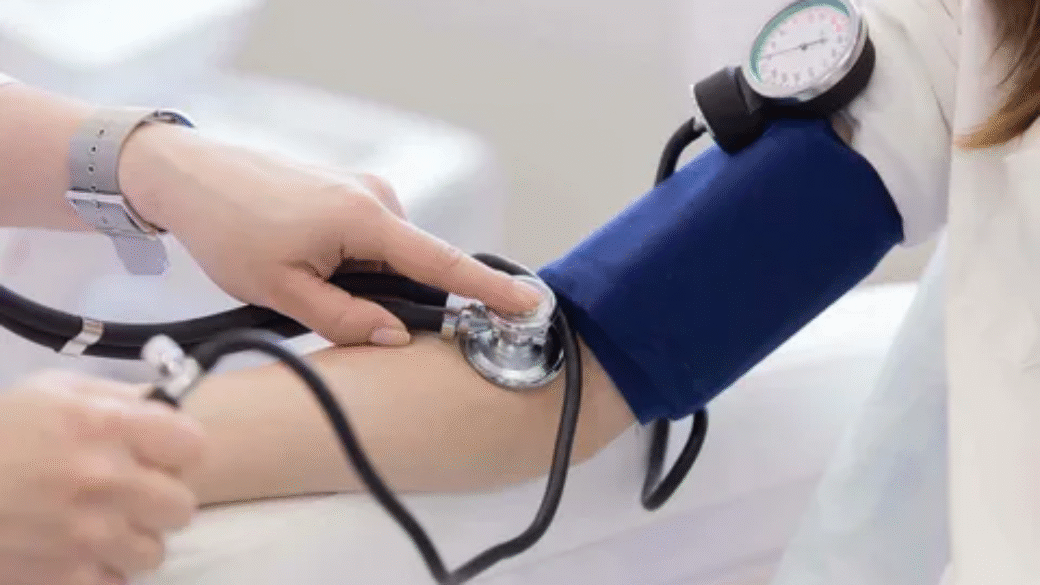
High blood pressure, medically known as hypertension, is a common health problem affecting millions of people worldwide. Often called the “silent killer,” it can quietly damage your body for years without obvious symptoms. Understanding what causes high blood pressure is the first step toward managing it and protecting your health.
What Is High Blood Pressure?
Blood pressure is the force of blood pushing against the walls of your arteries as your heart pumps. A normal blood pressure reading is usually around 120/80 mmHg. When the pressure consistently rises above 130/80 mmHg, it is considered high. Over time, high blood pressure can increase the risk of serious health problems, such as heart disease, stroke, kidney damage, and vision loss.
Causes of High Blood Pressure
High blood pressure does not usually have a single cause. Instead, it often results from a combination of lifestyle factors, genetics, and underlying medical conditions. Here’s a detailed look at the most common causes:
1. Poor Diet
What you eat has a direct impact on your blood pressure. Diets high in salt (sodium) can cause your body to retain water, increasing blood pressure. Consuming too much processed food, fast food, or sugary drinks can also contribute to weight gain, which is another risk factor for hypertension. Lack of fruits, vegetables, and foods rich in potassium can further make your blood pressure harder to control.
2. Obesity
Carrying excess weight increases the workload on your heart, forcing it to pump harder. This extra pressure can lead to stiffening of the arteries, raising blood pressure. Even losing a small amount of weight can help lower your blood pressure significantly.
3. Lack of Physical Activity
A sedentary lifestyle slows down your metabolism and contributes to weight gain. Regular physical activity helps your heart pump more efficiently and improves blood circulation. Inactive individuals are at a higher risk of developing high blood pressure than those who are physically active.
4. Smoking and Alcohol
Smoking damages the blood vessels and accelerates the hardening of arteries, directly increasing blood pressure. Alcohol, especially when consumed excessively, can also raise blood pressure levels over time. Limiting alcohol and quitting smoking are crucial steps in controlling hypertension.
5. Stress
Chronic stress can lead to long-term high blood pressure. Stress causes the body to release hormones like cortisol and adrenaline, which temporarily increase heart rate and constrict blood vessels. Over time, this can have a lasting effect on your cardiovascular system.
6. Genetics and Family History
High blood pressure can run in families. If one or both of your parents have hypertension, your risk of developing it increases. Certain genetic factors can affect how your body regulates salt, water, and blood pressure.
7. Age
As people get older, the arteries naturally become less elastic, making it harder for blood to flow smoothly. This leads to increased resistance in the vessels and higher blood pressure. Both men and women face higher risks as they age, although women may experience more hypertension after menopause.
8. Chronic Kidney Disease
The kidneys play a critical role in regulating blood pressure by controlling fluid levels and producing hormones. Kidney disease can disrupt this process, often leading to high blood pressure. In many cases, hypertension can also worsen kidney problems, creating a dangerous cycle.
9. Sleep Apnea
Obstructive sleep apnea is a condition in which breathing repeatedly stops and starts during sleep. This reduces oxygen levels and triggers stress responses that raise blood pressure. People with untreated sleep apnea are at higher risk of developing hypertension.
10. Certain Medications
Some prescription and over-the-counter medications can increase blood pressure. These include non-steroidal anti-inflammatory drugs (NSAIDs), decongestants, certain antidepressants, and hormonal medications like birth control pills. It’s important to discuss side effects with your doctor if you take these drugs regularly.
Symptoms of High Blood Pressure
High blood pressure is often called the silent killer because it may not show obvious symptoms. However, in some cases, people may experience:
- Headaches
- Dizziness or lightheadedness
- Shortness of breath
- Nosebleeds
- Fatigue
Even if symptoms are mild or absent, regular blood pressure checks are essential for early detection.
How to Prevent High Blood Pressure
While some causes, like genetics and age, are beyond your control, lifestyle changes can significantly reduce your risk:
- Eat a Healthy Diet: Focus on fruits, vegetables, whole grains, lean proteins, and low-fat dairy. Limit salt, sugar, and processed foods.
- Exercise Regularly: Aim for at least 30 minutes of moderate activity, such as walking, cycling, or swimming, most days of the week.
- Maintain a Healthy Weight: Even losing 5–10 pounds can help lower blood pressure.
- Quit Smoking: Smoking cessation improves heart and vessel health quickly.
- Limit Alcohol: Keep intake to moderate levels—up to one drink per day for women and two for men.
- Manage Stress: Practice relaxation techniques such as meditation, deep breathing, yoga, or hobbies.
- Monitor Your Blood Pressure: Regular checks at home or at the doctor’s office can help detect early signs.
Treatment for High Blood Pressure
If lifestyle changes aren’t enough, doctors may prescribe medication. Common types include:
- Diuretics: Help the body eliminate excess sodium and water.
- ACE Inhibitors: Relax blood vessels and reduce blood pressure.
- Beta-Blockers: Slow the heart rate and reduce blood pressure.
- Calcium Channel Blockers: Relax and widen blood vessels.
Treatment is usually personalized based on age, medical history, and severity of hypertension.
Complications of Untreated High Blood Pressure
High blood pressure can lead to severe complications if left uncontrolled:
- Heart attack or heart failure
- Stroke
- Kidney damage
- Vision problems, including blindness
- Aneurysms (weakened blood vessel walls that can rupture)
Early detection and management are crucial for preventing these life-threatening issues.
FAQs About High Blood Pressure
1. Can stress alone cause high blood pressure?
Stress can temporarily raise blood pressure, but chronic stress, combined with poor lifestyle habits, may contribute to long-term hypertension.
2. Is high blood pressure reversible?
In some cases, especially when caused by lifestyle factors like diet and obesity, blood pressure can be reduced or normalized with proper changes and medication if needed.
3. Can children have high blood pressure?
Yes, although it’s less common. Childhood hypertension is often linked to obesity, kidney problems, or family history.
4. Does high blood pressure always have symptoms?
No. Many people have hypertension without noticeable symptoms. This is why regular blood pressure monitoring is important.
5. What foods help lower high blood pressure?
Foods rich in potassium, magnesium, and fiber—such as bananas, spinach, beans, and oats—can help lower blood pressure. Reducing salt and processed foods is also essential.
Conclusion
High blood pressure is a common but manageable condition. It often develops silently, influenced by a mix of lifestyle habits, genetics, and medical conditions. The good news is that making simple lifestyle changes, monitoring your blood pressure, and seeking medical advice when needed can significantly reduce your risk. By understanding what causes high blood pressure, you can take proactive steps toward a healthier heart and a longer, more vibrant life.