

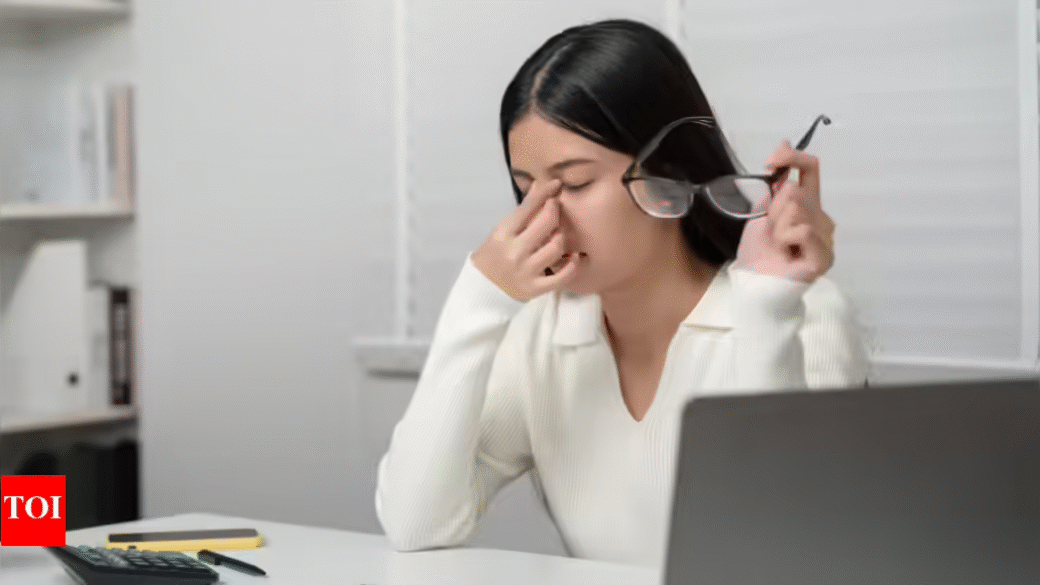
In today’s digital age, our eyes are constantly under pressure. From long hours staring at smartphones and computers to exposure to artificial light, it’s no wonder that many people experience eye strain, blurred vision, and even deteriorating eyesight. While glasses and contact lenses can correct vision temporarily, many people are seeking natural ways to improve eyesight without relying solely on corrective tools. Fortunately, there are several methods, lifestyle changes, and exercises that can help maintain and even enhance your vision naturally.
1. Understand Your Eyes
Before diving into natural remedies, it’s essential to understand how your eyes work. The human eye functions like a camera: the cornea and lens focus light onto the retina, which sends signals to the brain to create images. Over time, factors like age, poor diet, excessive screen time, and stress can weaken the eyes’ focusing ability. By adopting habits that support eye health, you can help your eyes work better and reduce the risk of vision problems.
2. Eat a Balanced, Eye-Friendly Diet
Nutrition plays a crucial role in maintaining healthy eyesight. Certain vitamins and minerals are particularly beneficial for your eyes:
- Vitamin A: Found in carrots, sweet potatoes, and spinach, vitamin A helps maintain good vision and prevents night blindness.
- Vitamin C: Oranges, strawberries, and bell peppers are rich in vitamin C, which protects eyes from damage caused by free radicals.
- Vitamin E: Nuts, seeds, and leafy greens contain vitamin E, which helps prevent age-related macular degeneration.
- Zinc: Found in beans, nuts, and seafood, zinc supports the health of the retina and may improve night vision.
- Omega-3 Fatty Acids: Fatty fish like salmon, flaxseeds, and walnuts reduce the risk of dry eyes and may help prevent retinal degeneration.
Eating a colorful, nutrient-rich diet ensures your eyes get the essential building blocks to function optimally.
3. Eye Exercises to Reduce Strain
Just like other muscles in your body, your eyes benefit from regular exercise. Here are a few simple exercises you can do daily:
- The 20-20-20 Rule: Every 20 minutes, look at something 20 feet away for at least 20 seconds. This reduces eye strain from prolonged screen use.
- Focus Shifting: Hold your finger about 10 inches from your eyes, focus on it for a few seconds, then shift your gaze to something far away. Repeat 10 times to strengthen your focusing ability.
- Palming: Rub your palms together to generate warmth and gently place them over your closed eyes for a minute. This relaxes eye muscles and relieves tension.
- Eye Rolling: Slowly roll your eyes clockwise and then counterclockwise 10 times. This can improve flexibility and reduce stiffness.
4. Protect Your Eyes from Harmful Light
Overexposure to sunlight and artificial light can damage your eyes. Here’s how to protect them:
- Wear Sunglasses: Choose sunglasses that block 100% of UVA and UVB rays when you’re outdoors.
- Adjust Screen Brightness: Make sure your computer, tablet, or phone screen isn’t too bright compared to the surrounding light.
- Use Blue Light Filters: Many devices now offer blue light filtering modes. Using these, especially in the evening, reduces eye strain.
- Avoid Prolonged Screen Time: Take frequent breaks and try to limit continuous screen exposure.
5. Maintain a Healthy Lifestyle
Your overall health directly impacts your eyesight. Consider the following lifestyle changes:
- Exercise Regularly: Cardiovascular exercise improves blood circulation, which benefits the eyes.
- Stay Hydrated: Drinking enough water prevents dry eyes and maintains proper eye lubrication.
- Get Enough Sleep: Sleep allows your eyes to rest and repair, reducing fatigue and improving focus.
- Avoid Smoking: Smoking increases the risk of cataracts, macular degeneration, and other eye diseases.
6. Eye-Friendly Habits
Adopting small, consistent habits can make a big difference:
- Blink Often: Blinking keeps your eyes moist and prevents dryness.
- Use Proper Lighting: Avoid reading or working in dim light, which strains your eyes.
- Keep a Safe Distance from Screens: Maintain at least an arm’s length from your monitor to reduce strain.
- Limit Contact Lens Wear: Overuse of contacts can cause dryness and irritation. Follow your eye doctor’s instructions.
7. Natural Remedies and Supplements
Some natural remedies and supplements may help improve eye health:
- Bilberry Extract: Rich in antioxidants, bilberry may support retinal health and night vision.
- Ginkgo Biloba: Known for improving blood circulation, it may benefit overall eye health.
- Eye Drops with Hyaluronic Acid: Natural lubrication can relieve dryness and discomfort.
- Herbal Teas: Chamomile or green tea contains antioxidants that can be gentle for eye care.
However, it’s important to consult a healthcare professional before starting any supplement, especially if you have pre-existing conditions.
8. When to See a Professional
While natural methods can support and improve vision, they are not a replacement for professional care. Regular eye exams are crucial to detect issues like glaucoma, cataracts, or macular degeneration early. If you notice sudden changes in vision, persistent eye pain, or flashes of light, seek medical attention immediately.
FAQs: How to Improve Eyesight Naturally
1. Can eyesight improve naturally without glasses?
Yes, with proper eye exercises, nutrition, and lifestyle changes, some people experience improvements in focus and reduced eye strain. However, natural methods may not completely reverse severe vision problems.
2. How long does it take to see results from natural eye care?
Results vary by individual. Some may notice reduced eye strain within weeks, while structural improvements may take several months of consistent practice.
3. Are there foods that can make eyesight worse?
Excessive sugar and processed foods can negatively impact eye health over time. A balanced diet rich in antioxidants is key.
4. Do eye exercises really work?
Eye exercises primarily reduce strain and improve focusing flexibility. While they don’t correct refractive errors completely, they help maintain healthier eyes and can complement other care.
5. Is screen time harmful to eyes permanently?
Prolonged screen use mainly causes temporary strain, dryness, and headaches. Following practices like the 20-20-20 rule and adjusting screen settings can prevent long-term damage.
Improving your eyesight naturally is about making consistent, healthy choices. By combining a nutrient-rich diet, regular eye exercises, protective habits, and proper lifestyle adjustments, you can support your vision and reduce the risk of future problems. Remember, your eyes are one of the most precious organs, and caring for them daily can lead to long-lasting benefits.