

Digestive health plays a very important role in our overall well-being. When your digestion works well, your body can properly absorb nutrients, give you energy, and support your immune system. But when digestion is poor, it can lead to problems like bloating, gas, constipation, diarrhea, stomach pain, fatigue, and even mood changes.
The good news is that you don’t always need medicines to fix digestive issues. Many digestion problems can be improved naturally by making simple changes in your daily lifestyle, eating habits, and mindset. In this article, we will explain how to improve digestive health naturally in an easy and practical way that anyone can follow.
Understanding Digestive Health
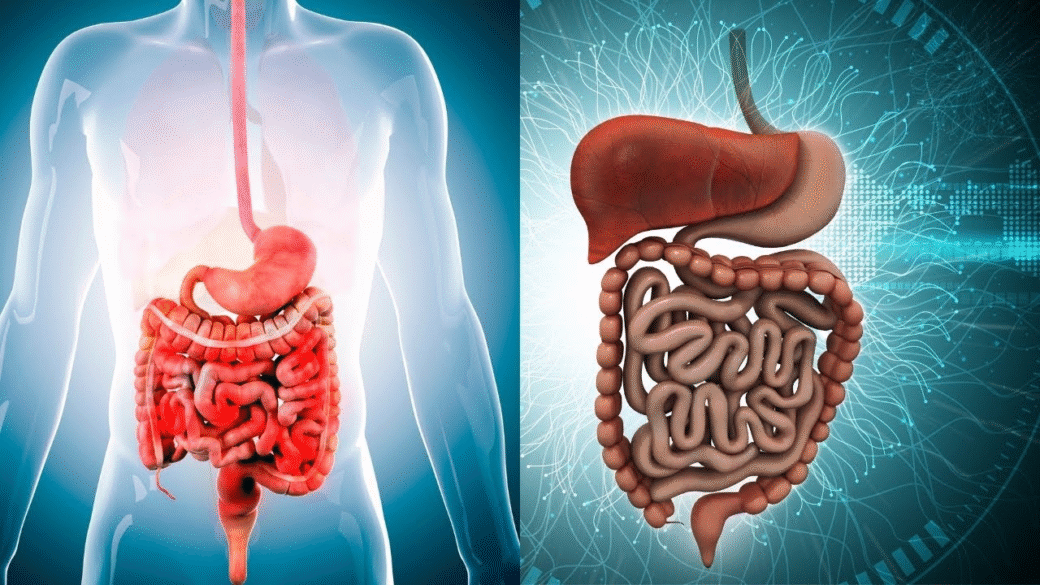
Your digestive system includes your mouth, stomach, intestines, liver, pancreas, and gut bacteria. All these parts work together to break down food, absorb nutrients, and remove waste from the body.
When digestion is healthy:
- Food is broken down easily
- Nutrients are absorbed properly
- Bowel movements are regular
- You feel light, energetic, and comfortable
Poor digestion can happen due to stress, unhealthy food choices, lack of water, poor sleep, and a sedentary lifestyle.
Eat More Fiber-Rich Foods
Fiber is one of the most important nutrients for good digestion. It helps food move smoothly through the digestive tract and prevents constipation.
Natural fiber sources include:
- Fruits like apples, bananas, berries, and pears
- Vegetables like carrots, spinach, broccoli, and cabbage
- Whole grains like oats, brown rice, and whole wheat
- Legumes such as lentils, beans, and chickpeas
- Seeds like chia seeds and flaxseeds
Start slowly if you are not used to fiber, and always drink enough water to avoid bloating.
Drink Enough Water Daily
Water is essential for digestion. It helps dissolve nutrients and makes stool soft, preventing constipation.
Tips for staying hydrated:
- Drink at least 8–10 glasses of water daily
- Start your day with a glass of warm water
- Drink water between meals, not too much during meals
- Add lemon or cucumber if plain water feels boring
Proper hydration keeps your digestive system running smoothly.
Include Probiotic Foods in Your Diet
Probiotics are good bacteria that live in your gut. They help balance digestion, reduce gas, and improve nutrient absorption.
Natural probiotic foods:
- Yogurt with live cultures
- Kefir
- Sauerkraut
- Kimchi
- Pickles (naturally fermented)
Eating probiotic foods regularly supports gut health and strengthens digestion naturally.
Eat Slowly and Chew Your Food Well
Digestion starts in the mouth. When you eat too fast or don’t chew properly, your stomach has to work harder.
Healthy eating habits:
- Take small bites
- Chew food thoroughly
- Avoid distractions like phones or TV while eating
- Eat in a relaxed environment
Mindful eating improves digestion and helps prevent overeating.
Manage Stress for Better Digestion
Stress has a direct impact on your digestive system. Anxiety and tension can cause stomach pain, bloating, diarrhea, or constipation.
Natural ways to reduce stress:
- Deep breathing exercises
- Meditation or prayer
- Yoga or stretching
- Walking in nature
- Listening to calming music
A calm mind supports a healthy gut.
Exercise Regularly
Physical activity helps move food through your digestive tract and reduces bloating.
Simple exercises that help digestion:
- Walking for 20–30 minutes daily
- Light jogging
- Yoga poses like twists and bends
- Stretching after meals
You don’t need intense workouts—consistent movement is enough.
Avoid Overeating
Eating too much puts pressure on your stomach and slows digestion.
Tips to avoid overeating:
- Eat smaller portions
- Stop eating when you feel comfortably full
- Avoid late-night heavy meals
- Listen to your body’s hunger signals
Balanced meals improve digestive comfort.
Limit Processed and Junk Foods
Highly processed foods are low in fiber and high in sugar, unhealthy fats, and artificial ingredients. These can harm gut bacteria and cause digestive issues.
Try to reduce:
- Fast food
- Sugary snacks
- Fried foods
- Carbonated drinks
- Excess caffeine and alcohol
Choose whole, natural foods whenever possible.
Improve Digestion with Natural Herbs and Spices
Many herbs and spices naturally support digestion.
Helpful digestive herbs:
- Ginger – reduces nausea and bloating
- Peppermint – soothes stomach cramps
- Fennel seeds – reduce gas
- Turmeric – reduces inflammation
- Cumin – improves digestion
Use them in cooking or as herbal teas.
Maintain a Regular Eating Schedule
Your digestive system works best when you eat meals at regular times.
Benefits of a routine:
- Improves gut rhythm
- Reduces indigestion
- Helps regulate bowel movements
Try to eat meals at the same time every day.
Get Enough Sleep
Poor sleep affects digestion and gut bacteria.
Healthy sleep tips:
- Sleep 7–8 hours daily
- Avoid heavy meals before bedtime
- Keep a regular sleep schedule
- Reduce screen time before sleep
Good sleep allows your digestive system to repair and function well.
Listen to Your Body
Everyone’s digestion is different. Pay attention to how your body reacts to certain foods.
If a food causes:
- Bloating
- Gas
- Pain
- Discomfort
Try reducing or avoiding it. Keeping a food diary can help identify problem foods.
When to See a Doctor
Natural methods work for most mild digestive issues. But if you experience:
- Severe pain
- Blood in stool
- Sudden weight loss
- Long-lasting digestive problems
Consult a healthcare professional.
Conclusion
Improving digestive health naturally is not difficult. Small daily changes in diet, hydration, movement, and stress management can make a big difference. Eating whole foods, staying hydrated, managing stress, and listening to your body are the keys to a healthy digestive system.
Remember, consistency is more important than perfection. Start with one or two habits and slowly build a lifestyle that supports your gut health naturally.
Frequently Asked Questions (FAQs)
1. How long does it take to improve digestive health naturally?
It usually takes a few days to weeks, depending on your habits and digestive condition. Consistency is key.
2. Can stress really affect digestion?
Yes, stress can slow digestion and cause problems like bloating, constipation, and stomach pain.
3. Are probiotics safe for daily use?
Yes, natural probiotic foods like yogurt and kefir are safe for most people when consumed in moderation.
4. Is drinking warm water good for digestion?
Yes, warm water helps stimulate digestion and can reduce bloating and constipation.
5. What is the best natural food for digestion?
Fiber-rich foods, fermented foods, and ginger are among the best natural options for improving digestion.