

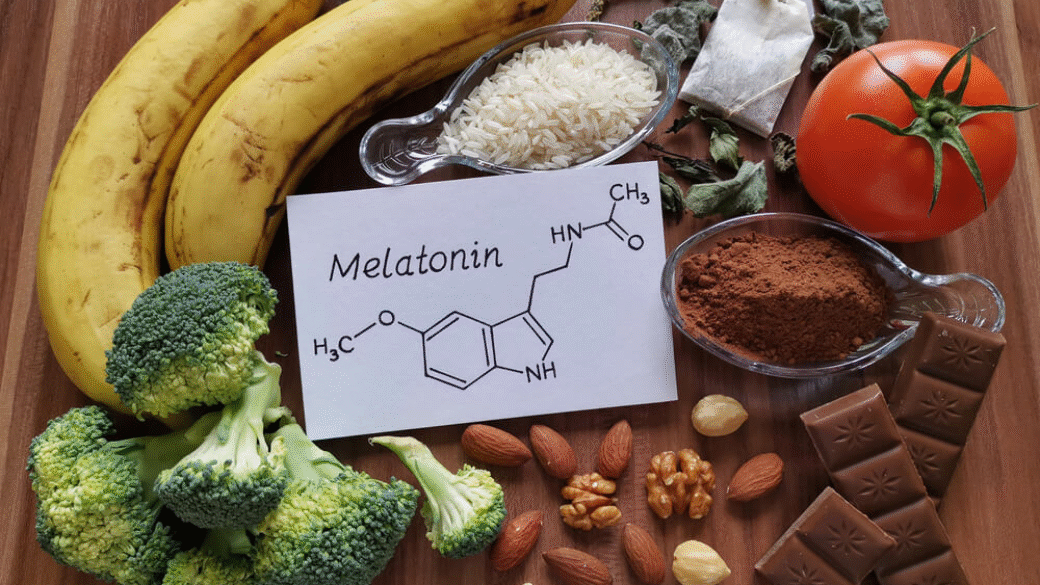
Hormones are the chemical messengers in your body that regulate almost every function—from mood and energy levels to metabolism and sleep. When your hormones are out of balance, it can lead to a wide range of issues like fatigue, weight gain, mood swings, low libido, and more. While medical treatments exist for hormonal imbalances, many people seek natural methods to restore harmony in their body. In this article, we’ll explore how to balance hormones naturally using lifestyle, diet, and daily habits.
Understanding Hormonal Imbalance
Before diving into natural solutions, it’s important to understand what hormonal imbalance is. Hormones are produced by glands such as the thyroid, adrenal glands, ovaries, and pancreas. These messengers control bodily functions including:
- Metabolism and weight
- Stress response
- Mood and emotional health
- Sleep patterns
- Reproductive health
When hormone levels are too high or too low, your body’s systems start to work inefficiently. Common symptoms of hormonal imbalance include:
- Chronic fatigue
- Unexplained weight changes
- Low libido
- Mood swings or anxiety
- Irregular periods (in women)
- Hair thinning or hair loss
- Trouble sleeping
1. Eat a Hormone-Balancing Diet
Diet plays a crucial role in hormone health. Certain foods can naturally help regulate hormone levels, while others may cause spikes or crashes.
Foods that help balance hormones naturally:
- Leafy greens: Spinach, kale, and Swiss chard are rich in magnesium, which helps regulate cortisol and insulin.
- Fatty fish: Salmon, mackerel, and sardines contain omega-3 fatty acids, supporting estrogen and testosterone balance.
- Avocados and nuts: Healthy fats improve hormone production, especially for sex hormones like estrogen and progesterone.
- Cruciferous vegetables: Broccoli, cauliflower, and Brussels sprouts help the liver metabolize estrogen efficiently.
- Berries: Blueberries, strawberries, and raspberries are full of antioxidants that support thyroid and adrenal function.
Foods to limit:
- Processed foods and refined sugar (can spike insulin and cortisol)
- Excess caffeine (can disrupt cortisol and adrenal health)
- Alcohol (interferes with liver function, affecting hormone detoxification)
2. Manage Stress Effectively
Stress is one of the biggest disruptors of hormonal balance. When stressed, your body releases cortisol and adrenaline. Chronic stress can:
- Increase cortisol levels, causing weight gain, especially around the belly
- Lower progesterone, affecting reproductive hormones
- Disrupt insulin, leading to blood sugar imbalances
Ways to manage stress naturally:
- Meditation or deep breathing exercises: Just 10 minutes a day can lower cortisol.
- Yoga or tai chi: Gentle movements reduce stress while improving flexibility.
- Nature walks: Spending time outdoors reduces mental stress and improves sleep.
- Journaling: Helps process emotions and reduce mental tension.
3. Prioritize Quality Sleep
Sleep and hormones are closely connected. Poor sleep can disrupt:
- Cortisol: High levels keep you in a constant state of alertness.
- Leptin and ghrelin: Imbalanced levels affect hunger, often leading to overeating.
- Insulin: Reduced sleep can lead to insulin resistance over time.
Tips for better sleep:
- Stick to a consistent sleep schedule, even on weekends.
- Avoid screens an hour before bed; blue light suppresses melatonin.
- Create a calming bedtime routine—reading, stretching, or taking a warm bath.
- Keep your bedroom dark, cool, and quiet.
4. Exercise Smartly
Exercise affects hormones in both positive and negative ways. While regular physical activity helps regulate insulin, cortisol, and sex hormones, overtraining can actually worsen imbalances.
Best exercises for hormone balance:
- Strength training: Builds muscle and increases testosterone and growth hormone.
- Moderate cardio: Walking, jogging, or cycling reduces cortisol and supports metabolism.
- Yoga and Pilates: Reduce stress and improve thyroid function.
Avoid excessive high-intensity workouts if you are feeling fatigued or stressed; this can spike cortisol further.
5. Support Your Gut Health
Your gut and hormones are deeply connected. The gut microbiome helps metabolize estrogen, thyroid hormones, and serotonin. Poor gut health can lead to:
- Estrogen dominance
- Mood disorders
- Inflammation, which affects insulin and cortisol
How to improve gut health naturally:
- Eat fermented foods like yogurt, kefir, kimchi, and sauerkraut.
- Include fiber-rich foods like fruits, vegetables, and legumes.
- Avoid excessive antibiotics or processed foods that harm gut bacteria.
- Drink plenty of water to support digestion and toxin elimination.
6. Include Hormone-Supporting Herbs and Supplements
Certain herbs have been studied for their ability to balance hormones naturally:
- Ashwagandha: Supports adrenal health and reduces cortisol.
- Maca root: Helps balance estrogen and testosterone.
- Holy basil: Reduces stress hormones and supports thyroid function.
- Omega-3 supplements: For anti-inflammatory support and hormonal balance.
Always consult a healthcare provider before starting supplements, especially if you are on medication or have a medical condition.
7. Maintain a Healthy Weight
Excess body fat, especially around the abdomen, can produce estrogen and disrupt insulin and other hormones. Maintaining a healthy weight helps restore balance naturally. Focus on:
- Eating nutrient-dense, whole foods
- Combining strength training and cardio exercises
- Managing stress and sleep for optimal metabolism
8. Limit Exposure to Hormone Disruptors
Modern life exposes us to endocrine-disrupting chemicals (EDCs) found in:
- Plastic containers (BPA and phthalates)
- Pesticides in non-organic produce
- Personal care products with parabens and synthetic fragrances
Tips to reduce exposure:
- Use glass or stainless steel containers for food and water.
- Choose organic produce when possible.
- Read labels on cosmetics and personal care products carefully.
Conclusion
Balancing hormones naturally is not about quick fixes—it’s about creating sustainable, healthy lifestyle habits. Eating the right foods, managing stress, prioritizing sleep, exercising wisely, supporting your gut, and avoiding harmful chemicals can all make a significant difference in your hormonal health. By adopting these habits, you can feel more energetic, balanced, and in control of your body.
Frequently Asked Questions (FAQs)
1. How long does it take to balance hormones naturally?
It varies depending on individual lifestyle, age, and health. Some people notice improvements in a few weeks, while others may take 3–6 months of consistent lifestyle changes.
2. Can stress really affect my hormones?
Yes! Chronic stress increases cortisol and can disrupt insulin, thyroid, and reproductive hormones, leading to fatigue, weight gain, and mood swings.
3. Are there foods that directly increase estrogen or testosterone?
Certain foods like flaxseeds, soy, and cruciferous vegetables can help modulate estrogen, while foods rich in zinc, vitamin D, and healthy fats can support testosterone.
4. Is exercise necessary for hormonal balance?
Yes, but balance matters. Moderate exercise like strength training and cardio supports hormone regulation, while overtraining can increase cortisol and worsen imbalances.
5. Should I take supplements to balance hormones?
Supplements can help, but they should complement a healthy lifestyle, not replace it. Herbs like ashwagandha and maca root, or omega-3 fatty acids, may support hormonal balance when used appropriately.