

A bright, white smile is something most people desire. It boosts confidence, makes a good first impression, and can even make you look younger. Teeth whitening products and procedures are widely available—from professional treatments at the dentist’s office to over-the-counter whitening strips and toothpaste. But one common question often comes up: “Does teeth whitening damage enamel?”
In this article, we’ll break down the science behind teeth whitening, explain its potential risks, and offer safe practices to keep your enamel healthy while achieving a dazzling smile.
Understanding Tooth Enamel
Before we discuss whitening, it’s important to understand what enamel is and why it matters. Enamel is the hard, outer layer of your teeth. It protects the inner layers, including dentin and pulp, from bacteria, acids, and physical damage. Enamel is the hardest substance in the human body, but it isn’t invincible. Once enamel is damaged or worn away, it cannot grow back naturally.
Maintaining enamel health is crucial for preventing tooth sensitivity, cavities, and other dental issues. So, naturally, when it comes to whitening, many people worry about whether bleaching or abrasive products can harm this protective layer.
How Teeth Whitening Works
Teeth whitening products work in two main ways:
- Bleaching Agents: Professional and some over-the-counter treatments use chemicals like hydrogen peroxide or carbamide peroxide. These agents penetrate the enamel to break down stains caused by coffee, tea, tobacco, and aging.
- Abrasive Toothpaste: Whitening toothpaste often contains mild abrasives that scrub away surface stains rather than chemically altering the tooth color.
Both methods aim to make teeth look brighter, but their effect on enamel differs.
Does Whitening Damage Enamel?
The short answer is: usually, no—if used correctly.
Professional Whitening
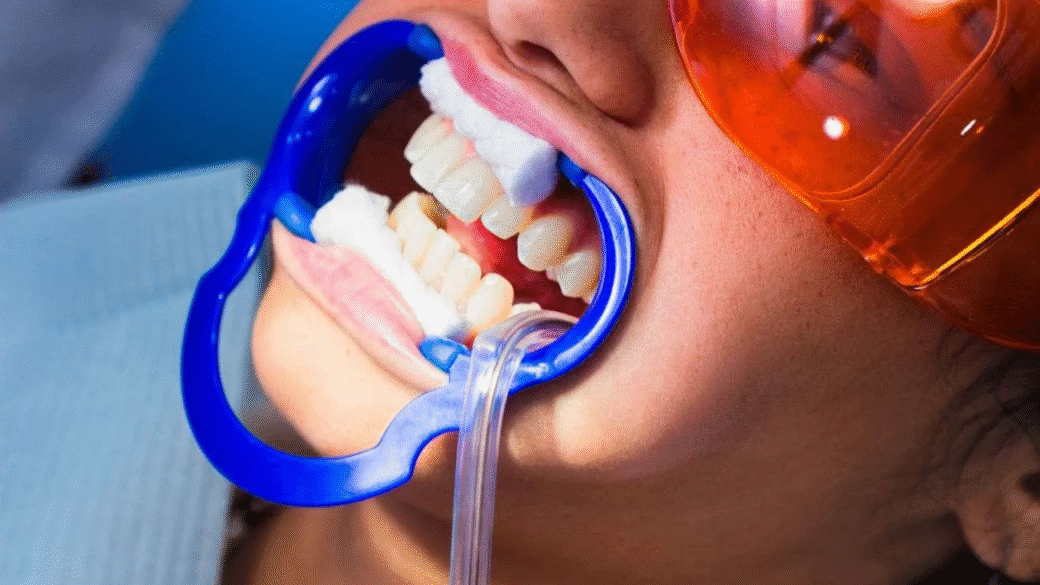
Dentists use stronger bleaching agents but apply them in controlled conditions. This reduces the risk of enamel damage. Studies show that professional whitening generally does not weaken enamel or cause long-term harm. Dentists may also use protective gels or trays to shield gums and tooth surfaces during treatment.
At-Home Whitening Kits
Over-the-counter whitening strips and gels contain lower concentrations of bleaching agents than professional treatments. When used as instructed, these products are generally safe. Problems may arise if people overuse them, leave them on too long, or use expired products. Excessive bleaching can temporarily make teeth more sensitive and, in rare cases, may slightly weaken enamel over time.
Whitening Toothpaste
Most whitening toothpaste is safe for daily use, as the abrasives are mild. However, overuse or aggressive brushing can erode enamel over time. Using a soft-bristled toothbrush and following the product instructions is key.
Risks of Teeth Whitening
While enamel damage is rare, teeth whitening isn’t completely risk-free. Potential issues include:
- Tooth Sensitivity: Temporary sensitivity is common, especially with peroxide-based treatments. This usually goes away a few days after stopping treatment.
- Gum Irritation: Whitening gels or strips that touch the gums can cause mild irritation. Dentists can provide custom trays to prevent this.
- Uneven Whitening: Crowns, fillings, or veneers won’t whiten like natural teeth, which can result in uneven coloration.
- Overuse Damage: Excessive bleaching over a long period may slightly affect enamel, making teeth more prone to wear and staining.
Tips to Whiten Teeth Safely
Here are some safe practices to maintain enamel while whitening your teeth:
- Consult Your Dentist First: Especially if you have sensitive teeth, enamel erosion, or dental restorations.
- Follow Instructions Carefully: Avoid leaving whitening products on longer than recommended.
- Use Fluoride Toothpaste: Fluoride strengthens enamel and reduces the risk of sensitivity.
- Avoid Abrasive Brushing: Soft-bristled brushes and gentle pressure help preserve enamel.
- Limit Staining Foods and Drinks: Coffee, tea, red wine, and tobacco contribute to staining. Moderation helps prolong whitening results.
- Consider Professional Treatments: If you want faster results with minimal risk, professional whitening is the safest choice.
Natural Alternatives for Teeth Whitening
If you’re worried about chemicals, some natural methods can brighten your smile:
- Baking Soda: Mildly abrasive, it can help remove surface stains when used occasionally.
- Oil Pulling: Swishing coconut oil in your mouth may reduce bacteria and improve oral health.
- Fruits like Strawberries: Contain malic acid, which can help remove surface stains. Use these sparingly, as acids can weaken enamel if overused.
Conclusion
Teeth whitening, when done properly, is generally safe and does not damage enamel. Professional treatments offer the safest and most effective results, while at-home products are usually safe when used as instructed. The key is moderation, following instructions, and protecting your enamel with good oral hygiene.
Remember, enamel cannot regenerate. Prioritizing enamel health while whitening ensures a bright smile without compromising long-term dental health.
5 Frequently Asked Questions (FAQs)
1. Can whitening toothpaste damage enamel?
Mild whitening toothpaste is generally safe for daily use. Over-brushing or using highly abrasive products can wear down enamel over time.
2. How long does teeth whitening last?
Results typically last from a few months up to 2 years, depending on diet, oral hygiene, and lifestyle habits like smoking or coffee drinking.
3. Is professional whitening better than at-home kits?
Yes. Professional whitening is stronger, faster, and safer because dentists control the concentration and application method.
4. Can teeth whitening make teeth sensitive?
Yes, temporary sensitivity is common after bleaching. It usually resolves within a few days. Using fluoride toothpaste can help reduce discomfort.
5. Are natural whitening methods safe?
Yes, if used in moderation. However, overuse of acidic foods or abrasive substances like baking soda can still erode enamel over time.
By following safe whitening practices and taking care of your enamel, you can enjoy a brighter smile without compromising your dental health.