

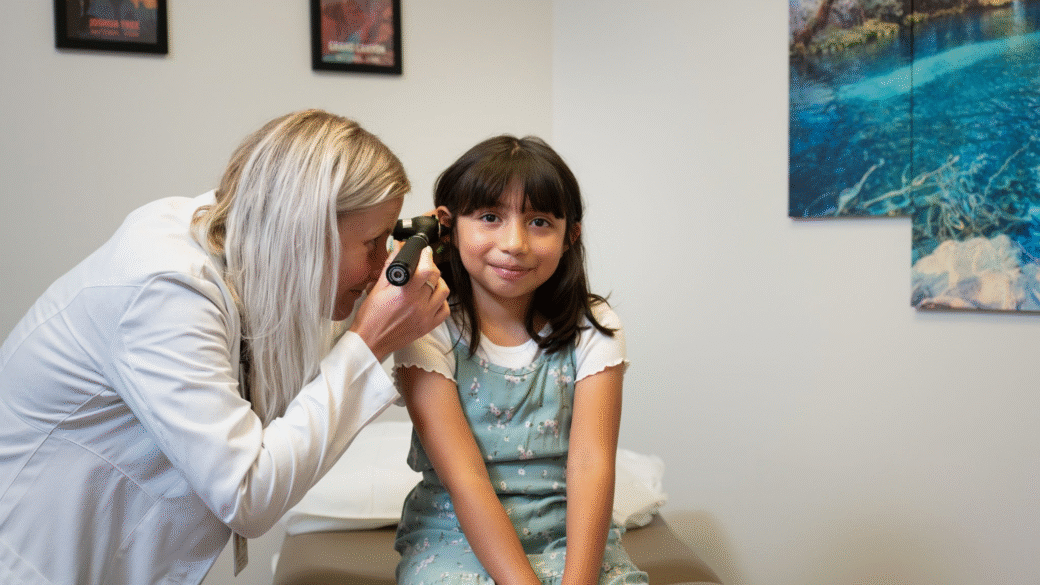
As a parent, you want the best for your child. You want them to grow up healthy, happy, and strong. One of the most important ways to ensure this is by scheduling regular pediatric checkups. These checkups are more than just a routine visit to the doctor—they are essential for your child’s overall growth, development, and well-being. In this article, we will explore why regular pediatric checkups are important, what to expect during these visits, and how they benefit both children and parents.
What Are Pediatric Checkups?
A pediatric checkup is a scheduled visit to a pediatrician—a doctor who specializes in caring for children from birth to young adulthood. These visits are sometimes called “well-child visits” because their main goal is to monitor your child’s overall health, rather than treat an illness. Checkups are recommended at specific ages, starting from birth, through infancy, childhood, and adolescence. The frequency may vary, but generally, young children see their pediatrician more often than older children.
During these visits, the pediatrician will check your child’s physical health, monitor growth and development, provide vaccinations, and discuss behavioral, emotional, and social well-being. It’s also an opportunity for parents to ask questions, discuss concerns, and get guidance on raising a healthy child.
Why Are Regular Pediatric Checkups Important?
Regular pediatric checkups are crucial for several reasons. Let’s break down the key benefits:
1. Monitoring Growth and Development
Children grow quickly, especially during their first few years of life. A pediatrician tracks growth patterns by measuring height, weight, and head circumference. These measurements are compared to standard growth charts to ensure your child is developing at a healthy rate.
Development isn’t just about size—it also includes skills like walking, talking, social interaction, and problem-solving. Pediatricians can spot early signs of developmental delays or learning difficulties, which allows for early intervention. Catching potential issues early often makes them easier to address.
2. Preventing Illness Through Vaccinations
Vaccinations are a cornerstone of child health. Regular checkups ensure your child receives vaccines on time to protect against diseases like measles, polio, whooping cough, and flu. Vaccines not only protect your child but also help prevent the spread of diseases to others in the community.
During checkups, your pediatrician can also advise you about seasonal vaccines, boosters, and other preventive measures.
3. Early Detection of Health Problems
Even healthy-looking children can have underlying health issues. Regular checkups help identify conditions such as asthma, allergies, anemia, vision or hearing problems, heart conditions, or obesity. Early detection means treatment can start sooner, reducing complications and improving outcomes.
For example, detecting high blood pressure or weight issues early can prevent more serious problems later in life. Pediatricians may also screen for mental health concerns such as anxiety or depression, which can be just as important as physical health.
4. Guidance on Nutrition and Lifestyle
Good nutrition is vital for a child’s growth and long-term health. Pediatricians provide guidance on balanced diets, portion sizes, and healthy eating habits. They can also discuss physical activity, sleep routines, and screen time limits.
By following a pediatrician’s advice, parents can help their children establish habits that last a lifetime, reducing the risk of obesity, diabetes, and other lifestyle-related diseases.
5. Parental Support and Education
Being a parent comes with many questions and concerns. Pediatric checkups give parents an opportunity to ask about anything from teething and vaccinations to behavioral challenges and school readiness. Pediatricians can provide reliable information and advice, helping parents feel confident in their decisions.
6. Building a Trusted Relationship
Regular visits help your child and family develop a trusting relationship with their doctor. This relationship makes it easier to discuss sensitive topics, follow medical advice, and ensure your child feels comfortable in healthcare settings. Children who have positive experiences with their doctor are more likely to maintain good health habits as they grow older.
What Happens During a Pediatric Checkup?
Here’s a general idea of what to expect during a routine pediatric checkup:
- Physical Exam: The pediatrician will check your child’s heart, lungs, eyes, ears, mouth, skin, and abdomen. They may also assess reflexes and motor skills.
- Growth Measurements: Height, weight, and head circumference are recorded and compared to previous visits.
- Developmental Assessment: For younger children, milestones such as walking, speaking, and social interaction are reviewed. Older children may have behavioral or emotional development assessed.
- Vaccinations: Age-appropriate vaccines are administered, and the immunization record is updated.
- Lab Tests or Screenings: Depending on age or risk factors, blood tests, vision, hearing, or other screenings may be done.
- Parent Discussion: Parents can ask questions and discuss concerns about nutrition, sleep, school, or behavior.
How Often Should Children Have Checkups?
The frequency of pediatric checkups varies by age:
- Infants: Newborn, 2 weeks, 2 months, 4 months, 6 months, 9 months, and 12 months
- Toddlers: 15 months, 18 months, and 24 months
- Preschool Children: Every year after age 3
- School-Age Children: Annually or as advised by your pediatrician
- Adolescents: Annually, including discussions about puberty, mental health, and preventive care
Following this schedule ensures your child receives timely care and support.
Common Concerns Parents Have
Some parents wonder if checkups are really necessary when a child seems healthy. The truth is, regular checkups aren’t just about treating illness—they’re about preventing problems before they start. Many health issues, like high blood pressure, vision problems, or developmental delays, may not show obvious symptoms early on. Regular pediatric visits ensure these issues are detected and addressed promptly.
Conclusion
Regular pediatric checkups are an essential part of your child’s health and development. They provide early detection of health issues, ensure vaccinations are up to date, support proper growth and development, guide healthy lifestyle habits, and offer parental support. By maintaining a consistent schedule of checkups, you are giving your child the best possible foundation for a healthy and happy life. Remember, these visits are not just for emergencies—they are preventive care that protects your child now and in the future.
Frequently Asked Questions (FAQs)
1. At what age should my child start seeing a pediatrician?
Children should see a pediatrician from birth. Newborn checkups usually occur within the first few days to weeks, and regular visits continue throughout childhood.
2. How long does a typical pediatric checkup last?
A standard checkup usually lasts 20–30 minutes, but first-time visits or visits for specific concerns may take longer.
3. Are vaccinations mandatory during checkups?
Vaccinations are strongly recommended and are part of preventive care. Pediatricians can provide guidance on schedules and alternatives if needed.
4. What if my child seems healthy—do we still need checkups?
Yes. Many health issues are not visible early on. Checkups help prevent problems before they become serious.
5. Can checkups help with mental health concerns?
Absolutely. Pediatricians assess behavioral, emotional, and social development. Early identification of mental health concerns can lead to timely support and treatment.