

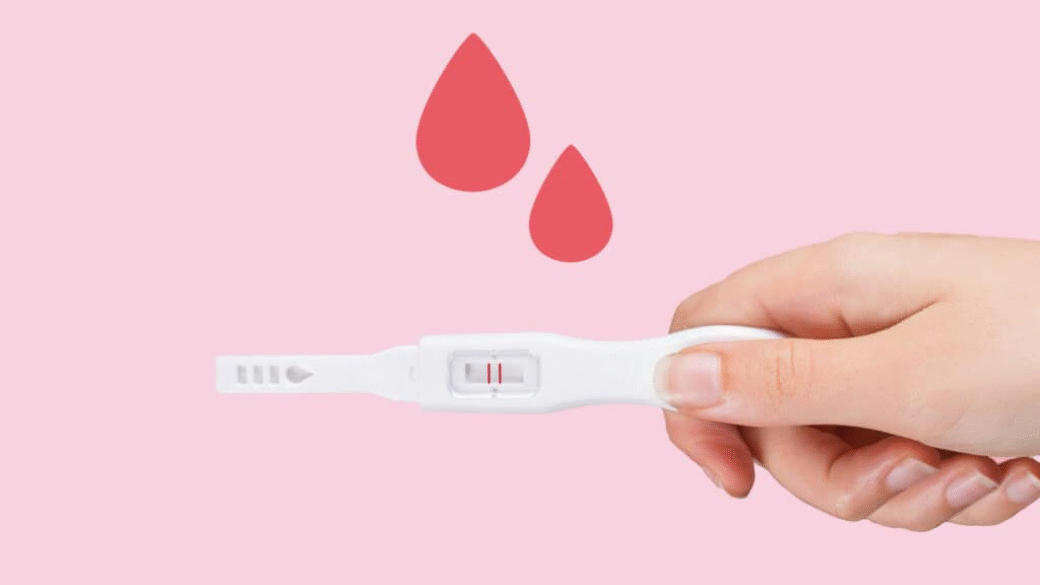
Pregnancy is a significant and life-changing event for women, and it brings a lot of changes to the body. One of the most common questions many women ask is: Does pregnancy affect the menstrual cycle? The answer is yes, but it’s not always straightforward. In this article, we’ll explore how pregnancy impacts your menstrual cycle, why it happens, and what signs you should look for.
Understanding the Menstrual Cycle
Before diving into how pregnancy affects menstruation, it’s important to understand what a normal menstrual cycle looks like. The menstrual cycle is the monthly process in which a woman’s body prepares for a possible pregnancy. It typically lasts between 21 and 35 days, with an average of 28 days.
The cycle has several phases:
- Menstrual Phase: This is when the uterus sheds its lining, causing bleeding that usually lasts 3–7 days.
- Follicular Phase: The body prepares an egg for ovulation, which occurs about halfway through the cycle.
- Ovulation Phase: The ovary releases a mature egg that travels down the fallopian tube, ready for fertilization.
- Luteal Phase: After ovulation, the body prepares for a possible pregnancy by thickening the uterine lining. If fertilization does not occur, the cycle starts again with menstruation.
A healthy menstrual cycle is an important sign of reproductive health. Any changes in the cycle can indicate hormonal shifts or health conditions, including pregnancy.
How Pregnancy Affects the Menstrual Cycle
When a woman becomes pregnant, her body undergoes significant hormonal changes, which can directly affect her menstrual cycle. The main hormone responsible for these changes is human chorionic gonadotropin (hCG), produced by the developing placenta. Other hormones, like estrogen and progesterone, also play a key role.
Here’s how pregnancy typically affects menstruation:
- Missed Periods: The most obvious sign of pregnancy is a missed period. Once implantation occurs and hCG levels rise, the uterine lining no longer sheds. This means the woman stops menstruating while she is pregnant.
- Spotting or Light Bleeding: Some women may experience light bleeding or spotting around the time their period is due. This is called implantation bleeding and occurs when the fertilized egg attaches to the uterine lining. Unlike a normal period, this bleeding is usually lighter, shorter, and a different color (pink or brown).
- Changes in Cycle Length: Even before missing a period, some women notice changes in cycle length or irregularities due to hormonal shifts during early pregnancy.
- Hormonal Symptoms: Pregnancy hormones can cause symptoms that mimic premenstrual syndrome (PMS), such as breast tenderness, mood swings, fatigue, and nausea. These symptoms might make it difficult to differentiate between an early period and early pregnancy.
Why Menstrual Cycles Stop During Pregnancy
Menstruation stops during pregnancy because the body needs to support the growing embryo. When an egg is fertilized, it implants into the uterus, signaling the body to stop the regular shedding of the uterine lining.
Here’s the process in simple terms:
- No Shedding: The lining of the uterus (endometrium) stays intact to provide nutrients to the developing embryo.
- Hormonal Support: Progesterone and estrogen levels rise, maintaining the uterine lining and preventing menstrual bleeding.
- Body Focuses on Pregnancy: The body redirects its energy from monthly cycles to sustaining the pregnancy, ensuring the baby can grow safely.
Other Factors That Can Affect Menstrual Changes in Pregnancy
While pregnancy is the main reason for a missed period, other factors can also cause menstrual irregularities. Sometimes women confuse these changes with pregnancy:
- Stress: High levels of stress can disrupt hormone production and delay periods.
- Weight Fluctuations: Rapid weight loss or gain can affect estrogen levels, leading to irregular cycles.
- Medical Conditions: Thyroid disorders, polycystic ovary syndrome (PCOS), or other hormonal imbalances can mimic pregnancy-related changes in the cycle.
- Perimenopause: Women approaching menopause may experience irregular periods that resemble early pregnancy changes.
It’s important to take a pregnancy test or consult a doctor to determine the exact cause of menstrual changes.
Early Signs of Pregnancy vs. Menstrual Symptoms
Sometimes, women confuse early pregnancy signs with regular menstrual symptoms. Here’s a comparison to help understand the differences:
| Symptom | Early Pregnancy | PMS/Period |
|---|---|---|
| Bleeding | Light spotting (implantation) | Heavier, regular flow |
| Cramps | Mild, intermittent | Often more intense and regular |
| Breast Changes | Tender, swollen, darkened nipples | Tenderness, but usually less pronounced |
| Fatigue | Strong, noticeable | Mild tiredness |
| Nausea | Morning sickness may start | Rarely occurs |
If your period is late and you notice other symptoms like nausea, fatigue, or breast changes, it’s a good idea to take a pregnancy test.
Can Menstruation Occur During Pregnancy?
While rare, some women experience bleeding during pregnancy. However, this bleeding is not a true menstrual period. Causes of bleeding during pregnancy include:
- Implantation bleeding in early pregnancy
- Cervical irritation due to increased blood flow
- Miscarriage or ectopic pregnancy (medical attention needed)
True menstruation cannot occur while a woman is pregnant because the uterus needs to maintain its lining for the growing embryo.
When to See a Doctor
Any unusual changes in your menstrual cycle should be discussed with a healthcare provider, especially if you suspect pregnancy. You should consult a doctor if you experience:
- Heavy bleeding during pregnancy
- Severe abdominal pain or cramping
- Recurrent missed or irregular periods without pregnancy
- Signs of hormonal imbalance (e.g., sudden weight gain/loss, excessive hair growth, acne)
Early medical consultation ensures your reproductive health is monitored and any potential complications are addressed promptly.
Conclusion
Pregnancy has a direct and significant impact on the menstrual cycle. Once conception occurs, hormonal changes prevent the regular shedding of the uterine lining, leading to a missed period. While some spotting may occur due to implantation, menstruation itself stops during pregnancy. Understanding these changes can help women recognize early pregnancy signs and take appropriate steps for their health.
Hormones, stress, and medical conditions can all affect cycle patterns, so it’s essential to be aware of your body’s signals. If your period is irregular, missed, or accompanied by unusual symptoms, a pregnancy test or consultation with a healthcare provider is the best way to determine the cause.
FAQs
1. Can I get my period while pregnant?
No, true menstruation does not occur during pregnancy. Any bleeding during pregnancy should be evaluated by a doctor.
2. Why did my period come even though I’m pregnant?
Some women may experience light spotting, called implantation bleeding, which is not the same as a period. Rarely, bleeding may indicate a medical concern.
3. How soon after conception will my period stop?
Menstruation usually stops once implantation occurs, which is about 6–12 days after ovulation.
4. Can irregular periods affect pregnancy?
Irregular periods can make it harder to predict ovulation, but they do not necessarily prevent pregnancy. Consultation with a doctor can help manage cycle irregularities.
5. What are early signs that my period changes are due to pregnancy?
Missed period, light spotting, breast tenderness, fatigue, nausea, and mood changes are common early signs of pregnancy.