

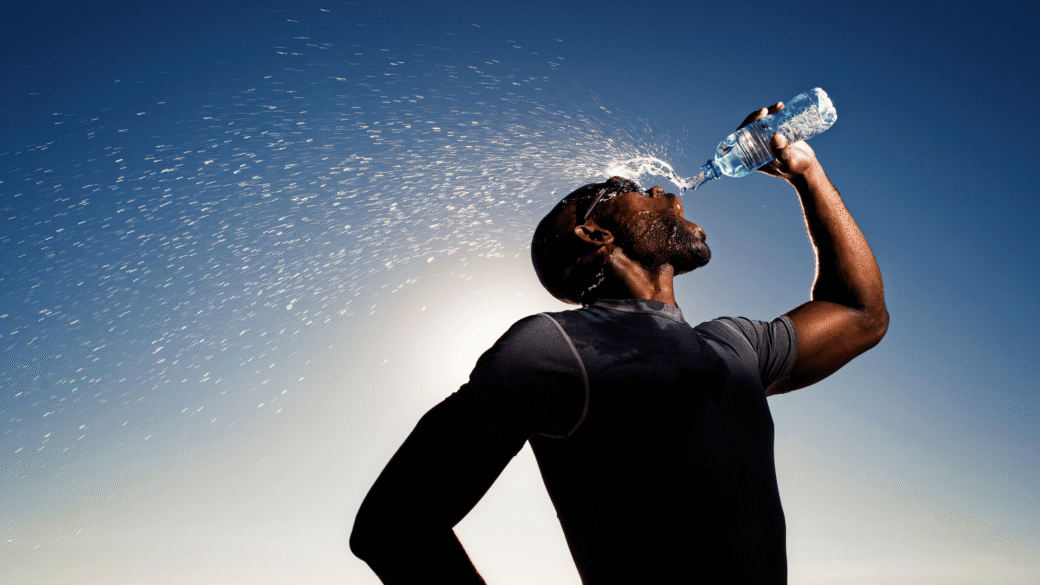
Hydration is essential for life. Every cell in our body needs water to function properly, and staying hydrated affects everything from energy levels and mood to brain function and physical performance. But with so much advice about hydration out there, a common question arises: Is drinking water enough for hydration?
The short answer is: not always. While water is vital, hydration is more complex than simply drinking water. Let’s explore why.
Why Hydration Matters
Water makes up about 60% of the adult human body and plays a crucial role in several bodily functions:
- Temperature regulation – Sweat helps cool the body during exercise or hot weather.
- Digestion and nutrient absorption – Water aids in breaking down food and transporting nutrients.
- Joint and tissue health – Water keeps joints lubricated and tissues moist.
- Detoxification – Water helps the kidneys flush out waste and toxins.
- Brain function – Even mild dehydration can affect concentration, memory, and mood.
Clearly, staying hydrated is vital for health. But can plain water do the job completely?
Water Alone Isn’t Always Enough
Although drinking water is important, relying solely on water may not fully meet your hydration needs. Here’s why:
1. Electrolyte Balance
Electrolytes are minerals like sodium, potassium, calcium, and magnesium that carry an electric charge and help your body maintain fluid balance. They are essential for:
- Muscle contraction
- Nerve signaling
- Maintaining blood pressure
Drinking only water can sometimes dilute electrolytes, especially if you sweat a lot during exercise, are in hot climates, or are ill with diarrhea or vomiting. This can lead to hyponatremia, a rare but serious condition caused by very low sodium levels.
2. Hydrating Foods
Many fruits and vegetables have high water content and also provide electrolytes, vitamins, and minerals. For example:
- Watermelon – 92% water
- Cucumbers – 95% water
- Oranges – 86% water
- Strawberries – 91% water
Eating water-rich foods can contribute to overall hydration and provide nutrients that plain water doesn’t.
3. Other Fluids Count
Hydration isn’t just about water. Other fluids, such as milk, herbal teas, and even coffee, contribute to hydration. While caffeine has mild diuretic effects, normal consumption doesn’t lead to dehydration for most people.
4. Individual Needs Vary
Hydration needs depend on:
- Age – Older adults may feel less thirsty even when dehydrated.
- Activity level – Athletes or people who exercise intensely need more fluids.
- Climate – Hot or humid environments increase fluid loss.
- Health conditions – Fever, vomiting, diarrhea, or certain medications can affect fluid balance.
This means there’s no one-size-fits-all approach. Simply drinking water may not be enough for everyone.
Signs You Might Not Be Hydrated Enough
It’s important to recognize dehydration early. Common signs include:
- Dark yellow urine or low urine output
- Dry mouth or throat
- Fatigue or dizziness
- Headaches
- Muscle cramps
If these symptoms appear, it may be necessary to increase fluids and electrolytes.
Tips for Proper Hydration
Here are some simple ways to ensure your body stays properly hydrated:
- Drink water throughout the day – Don’t wait until you’re thirsty.
- Include hydrating foods – Eat fruits and vegetables with high water content.
- Use electrolyte drinks when necessary – Especially during intense exercise or illness.
- Monitor urine color – Pale yellow usually indicates proper hydration.
- Adjust for environment – Drink more in hot, humid, or dry climates.
Special Cases: Sports and Extreme Conditions
For athletes or people working in extreme conditions, water alone may not be sufficient. Sweating leads to loss of both water and electrolytes. Sports drinks or electrolyte supplements can help maintain fluid balance and prevent cramps, fatigue, and heat-related illnesses.
Hydration Myths
Let’s clear up some common myths:
- “You need 8 glasses of water a day.” – Hydration needs vary by individual; water intake can come from food and other beverages.
- “Caffeinated drinks dehydrate you.” – Moderate caffeine intake contributes to hydration.
- “Clear urine is always better.” – Pale yellow is ideal; completely clear urine may indicate overhydration.
Conclusion
Drinking water is essential for survival and daily function, but it’s not the only factor in proper hydration. Your body needs a balance of water, electrolytes, and nutrients, which can come from foods, other beverages, and sometimes supplements. By paying attention to your body, environment, and activity levels, you can stay truly hydrated and healthy.
FAQs
1. Can I stay hydrated by drinking only water?
Yes, for most people in everyday conditions, drinking water can maintain hydration. However, during heavy exercise, illness, or hot climates, you may need electrolytes and water-rich foods too.
2. How much water should I drink daily?
There’s no exact number for everyone, but a common guideline is 2–3 liters (8–12 cups) for adults. Your needs vary by activity, climate, and health.
3. Are fruits and vegetables enough to keep me hydrated?
They can contribute significantly, especially foods like watermelon, cucumbers, and oranges. However, you may still need additional fluids, especially in hot weather or during exercise.
4. Can I drink coffee or tea for hydration?
Yes, moderate caffeine intake is fine and contributes to your daily fluid needs. Avoid relying solely on caffeinated drinks for hydration.
5. What are the signs of dehydration?
Common signs include dark yellow urine, dry mouth, fatigue, dizziness, headaches, and muscle cramps. Severe dehydration requires medical attention.