

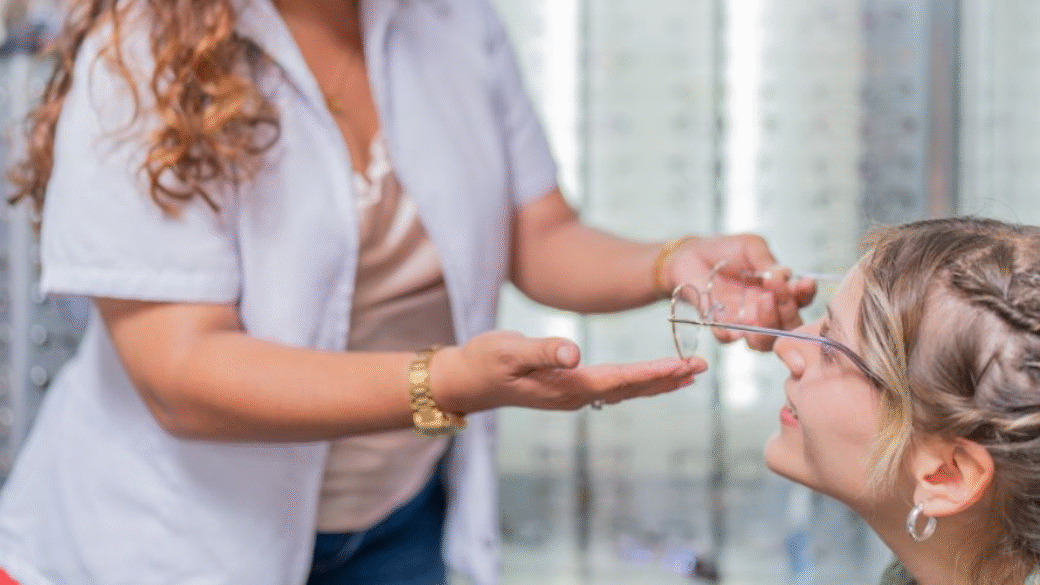
Your eyes are one of the most important organs in your body. They allow you to see the world, read, work, and enjoy life’s beautiful moments. Yet, many people tend to overlook the importance of regular eye checkups. Ignoring eye health can lead to serious problems, some of which may not show clear symptoms until it’s too late. In this article, we’ll explore when you should get an eye checkup, why it matters, and what to expect during an appointment.
Why Eye Checkups Are Important
Eye checkups, also known as eye exams, are more than just tests to see if you need glasses. They help detect eye diseases, vision problems, and even general health issues. Conditions like glaucoma, cataracts, and macular degeneration may not have noticeable symptoms in the early stages, but an eye exam can catch them early.
Besides eye health, these checkups can reveal signs of diabetes, high blood pressure, and other systemic health problems. So, regular visits to an eye doctor are not just about seeing clearly—they’re also about staying healthy.
Signs You Need an Eye Checkup
While regular eye exams are important, there are certain signs that mean you shouldn’t wait. You should get an eye checkup if you experience:
- Blurry or Double Vision – Difficulty seeing clearly, especially if it happens suddenly.
- Eye Pain or Discomfort – Persistent pain, itching, or burning sensations.
- Frequent Headaches – Often linked to vision problems.
- Difficulty Seeing at Night – Trouble driving or navigating in low light.
- Floaters or Flashes – Tiny spots, flashes, or strings in your vision could indicate retinal issues.
- Family History of Eye Diseases – Some conditions like glaucoma or macular degeneration are hereditary.
If you notice any of these, it’s best to schedule an appointment as soon as possible.
How Often Should You Get Your Eyes Checked?
The frequency of eye checkups depends on your age, health, and risk factors. Here’s a general guideline:
Children and Teenagers
- Before school age (3–5 years old): Children should have an eye exam to detect early vision problems.
- School-aged children (6–18 years old): Every 1–2 years, or more often if recommended by an eye doctor. Early detection is crucial for learning and development.
Adults
- Ages 18–40: Every 2 years if you have no vision problems.
- Ages 41–60: Every 1–2 years, since the risk of presbyopia (difficulty focusing on close objects) and other eye issues increases.
- Ages 61 and above: At least once a year, as the risk of cataracts, glaucoma, and macular degeneration increases with age.
People with Risk Factors
Certain conditions or lifestyles require more frequent checkups, including:
- Diabetes or high blood pressure
- Family history of eye diseases
- Wearing contact lenses
- History of eye injuries or surgeries
What Happens During an Eye Checkup?
Eye exams are painless, but they involve several tests to check your vision and eye health. Here’s what usually happens:
- Vision Test – You’ll read letters or symbols on a chart to check how clearly you see at different distances.
- Refraction Test – Determines if you need glasses or contact lenses.
- Eye Pressure Test – Checks for glaucoma by measuring the pressure inside your eyes.
- Slit-Lamp Examination – A microscope with a light looks at the front of your eye.
- Retinal Exam – The doctor examines the back of your eye, including the retina and optic nerve.
These tests help the eye doctor detect problems early and recommend treatments if needed.
Tips to Maintain Healthy Eyes Between Checkups
While regular eye exams are essential, you can take steps to protect your vision daily:
- Follow the 20-20-20 Rule – Every 20 minutes, look at something 20 feet away for 20 seconds to reduce eye strain.
- Wear Sunglasses – Protect your eyes from harmful UV rays.
- Maintain a Healthy Diet – Foods rich in vitamins A, C, and E, as well as omega-3 fatty acids, are great for eye health.
- Limit Screen Time – Reduce prolonged exposure to computers, phones, and TVs.
- Stay Hydrated – Dry eyes can result from dehydration.
The Benefits of Early Detection
Regular eye checkups are not just for prescription glasses—they can save your vision and improve your quality of life. Early detection allows for treatments that can prevent or slow down diseases. For example:
- Glaucoma – Early detection can prevent irreversible vision loss.
- Cataracts – Early surgery can restore vision effectively.
- Diabetic Retinopathy – Regular monitoring can prevent blindness.
By staying proactive, you give yourself the best chance to maintain healthy eyes for life.
Common Myths About Eye Checkups
Many people avoid eye exams due to misconceptions. Here are a few myths debunked:
- “I only need glasses if I can’t see well.”
Vision problems aren’t the only reason for eye exams; diseases can be silent. - “Eye exams are expensive.”
Many insurance plans cover routine checkups, and early detection can save money on future treatments. - “If my eyes feel fine, I don’t need a checkup.”
Eye problems can develop without symptoms, especially glaucoma and retinal issues.
Conclusion
Eye health is essential for overall well-being. Regular eye checkups help detect problems early, prevent serious diseases, and keep your vision clear. Whether you are a child, adult, or senior, scheduling routine exams is a smart and proactive choice. Don’t wait for symptoms to appear—your eyes deserve attention and care today.
FAQs About Eye Checkups
1. How long does an eye checkup take?
A typical eye exam lasts between 30 minutes to 1 hour, depending on the tests performed.
2. Can eye checkups detect other health problems?
Yes! Eye exams can reveal signs of diabetes, high blood pressure, and even cholesterol issues.
3. At what age should children get their first eye exam?
Children should have their first comprehensive eye exam between ages 3 and 5.
4. Do I need an eye exam if I already wear glasses?
Yes. Even if you wear glasses, regular checkups are necessary to monitor vision changes and eye health.
5. Are eye exams covered by insurance?
Many insurance plans cover routine eye exams, especially for children and seniors. It’s best to check with your provider.